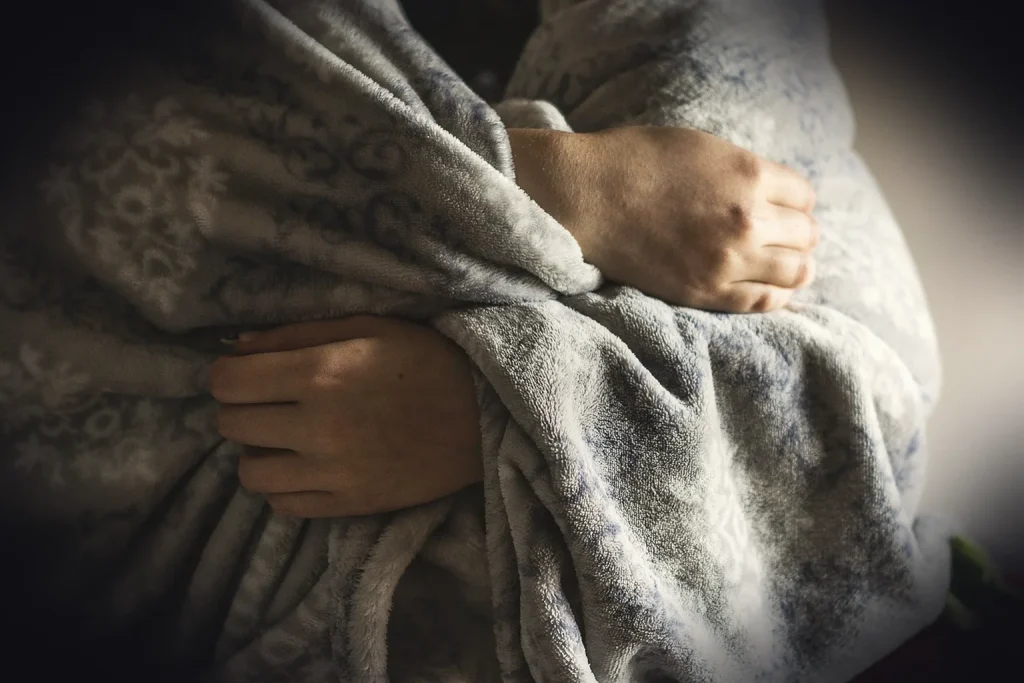
Skin after a long illness looks tired in a particular way that vitamin C cannot reach. It is paler than usual, often with a slightly translucent quality, and it responds to products in ways it did not before. A reader who had spent six weeks in hospital with pneumonia told me her face felt unfamiliar for nearly three months afterward, as if the skin she had borrowed back was not quite the same one she had given up.
This is recovery skin, and the rebuild takes about a season.
What it is
Recovery skin is what shows up after a significant acute illness, hospital stay, surgical recovery, or extended medication course. The skin is not damaged in the way sun damage is damaged. It is depleted. The barrier function is reduced, the microbiome is shifted from any antibiotics or antivirals, healing is slow, and the energy reserves the skin uses to repair itself have gone elsewhere.
The visible signs include dullness, increased reactivity to products that used to be fine, slower wound healing for cuts and small irritations, and sometimes new pigmentation patches or rashes. None of it is dramatic. It is the skin asking for time.
Why it happens
The immune system is doing significant work during and after illness, and the skin is an immune organ. Research published in The Journal of Allergy and Clinical Immunology has shown that systemic inflammation during illness measurably reduces skin barrier function and slows the production of ceramides and natural moisturising factors for several weeks after recovery begins.
Add in antibiotics or antivirals, which shift the skin and gut microbiome, plus medications like corticosteroids or pain medications that have their own skin effects, plus the bed rest and reduced hydration that come with serious illness, and the skin reads it all.
What helps
Strip the routine to support, not treatment. In the first 30 days post-recovery, that means a gentle cleanser at night, a moisturiser morning and night, and SPF every morning. The moisturiser is the lever here. BioCell Renewal Cream works well in this period because it pairs ceramides with peptides that support the slow rebuilding work the skin is doing, without the inflammatory potential of stronger actives. Ceramides specifically are the molecules the skin is short on during recovery.
Days 31 to 60: reintroduce one tolerated active. Niacinamide 5 percent is the most forgiving choice for most people, and it offers genuine support for barrier rebuilding. Skip retinoids, AHAs, BHAs, and vitamin C until day 60 at minimum.
Days 61 to 90: if niacinamide is going well, you can reintroduce one more active at a low frequency. If you used retinol before illness, restart at twice a week. Sleep and hydration matter more than any product during this phase.
The contrarian view: this is not the time to fix anything
The temptation after illness is to use the recovery period to also fix the skin: take care of those dark spots, finally try that retinol, address the texture. Resist that. Active treatments during recovery often produce worse results than usual, because the skin’s ability to heal from the controlled damage of an active is reduced.
Treat the rebuild as its own project, not a chance to upgrade. Anything you might want to address can wait three months and respond better when the system is back online.
When to see a dermatologist
Wounds that do not heal within two weeks, persistent rashes, new mole or lesion changes, unusual pigmentation patches, or any sign of infection on the skin warrant a clinical visit. Slow-healing wounds in particular can indicate that the illness is not as fully resolved as it seems, and a derm visit can flag that early.
The real numbers
Studies in The Journal of Investigative Dermatology have measured transepidermal water loss recovery after hospitalisation for acute illness, with most patients showing 40 to 60 percent slower barrier recovery rates for six to eight weeks post-discharge. Wound healing studies from the Annals of the New York Academy of Sciences show post-illness healing times extend by 30 to 50 percent for the first two months and return to baseline by month three in most cases.
FAQ
Why is my skin still off three months after I recovered? Some people, particularly after viral illnesses or long hospital stays, take four to six months for full skin recovery. If you are at month six and still struggling, see a derm.
Can I take retinol while still recovering? Wait at least eight weeks after recovery before restarting, and start at half your previous frequency.
I broke out badly during illness. Will it scar? Possibly. Use sunscreen religiously and consider azelaic acid 10 percent once the skin is calm. Barrier-led recovery is the priority before scar treatment.
Should I take collagen supplements during recovery? The evidence is mixed and the effect is small. A balanced diet with adequate protein matters more.
Will my skin go back to normal eventually? Almost always yes, within three to six months for most illnesses. Recovery from chemotherapy or longer hospitalisations can take longer.
Sources
- Elias PM. Skin barrier function. Current Allergy and Asthma Reports, 2008.
- Guo S, DiPietro LA. Factors affecting wound healing. Journal of Dental Research, 2010.
- American Academy of Dermatology. Caring for skin after illness. AAD public resources.
- Proksch E et al. The skin: an indispensable barrier. Experimental Dermatology, 2008.
Related: ceramide-focused guides.
Keep reading
- Conditions (Eczema, Psoriasis, etc.)Eczema-prone skin: a daily routine that doesn’t provoke a flare
- Routines & How-TosThe Post-Procedure 7-Day Stack: A Calm, Sequential Recovery
- Routines & How-Tos30-day barrier rebuild: a routine plan for compromised stressed skin
Related: Post-medium-depth peel recovery: a 10-day skin reconstruction plan, and Postmenopausal Dryness: A Deep Rebuild Routine for Estrogen-Depleted Skin.
References
- Madison KC. Barrier function of the skin. J Invest Dermatol. 2003. PubMed.
- Elias PM. Skin barrier function. Curr Allergy Asthma Rep. 2008. PubMed.
Have a question about “Illness Recovery and Skin: A 90-Day Rebuild Plan for Depleted Skin”?
Ask our editorial desk. Best questions become full follow-up articles, reviewed by our medical reviewer. No medical advice given in private — answers run as articles or not at all.