
Cold vs Warm Water for Acne: What the Cleansing Temperature Actually Does
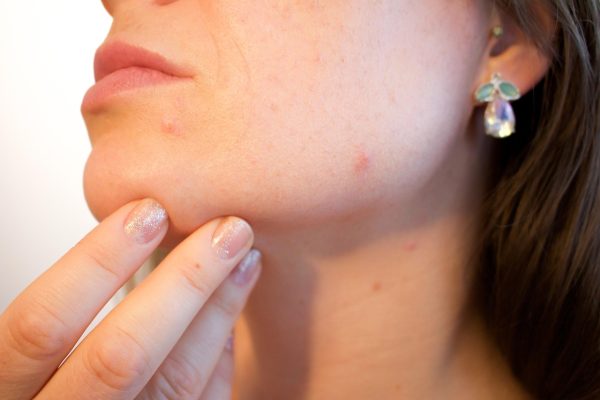
For acne-prone skin, lukewarm water (around 30°C / 86°F) is the right answer. Hot water amplifies inflammatory acne by stripping lipids and…
We use cookies to count readers (Google Analytics) and to send you our newsletter (Klaviyo, if you sign up). Nothing is sold. Read our privacy notice.
The Elelaf Journal
Microbiome science, ingredient explainers, and routines that fit a real life. FDA-approved, dermatologist-reviewed.
New to slow skincare? Four pieces that lay the groundwork.

For acne-prone skin, lukewarm water (around 30°C / 86°F) is the right answer. Hot water amplifies inflammatory acne by stripping lipids and…


The right shower temperature for skin is 36-38°C / 97-100°F — close to body temperature. Hotter than 40°C strips skin lipids and…

Hidradenitis suppurativa is the most under-covered dermatologic condition in skincare media. It affects ~1% of people, disproportionately women of color, and the…

Hydroquinone has been the default first-line PIH treatment for thirty years. In 2026, three actives — dapsone, azelaic acid, tranexamic acid —…

Niacinamide blocks melanosome transfer from melanocytes to keratinocytes. It does not shut down melanogenesis itself. That mechanism puts a hard ceiling on…

Almost every published clinical trial on topical vitamin C used Fitzpatrick I-II patients. The extrapolation to oily, acne-prone, Fitzpatrick V skin doesn't…
Start here. Everything you need before you buy anything.
Explore →Know exactly what's in the bottle and why it matters.
Explore →Match the right approach to the right concern.
Explore →A routine that fits your actual life.
Explore →Cut through the noise — what to use, what to skip.
Explore →The 130+ skincare tools we tested so you don't have to.
Explore →Smart skincare, with a point of view.
Explore →The brand behind the Journal
Three slow-skincare lines — microbiome serum, BioCell renewal cream, mindful application protocols. Formulated in Korea, FDA-registered.