Skincare 101
Does Shower Temperature Affect Pores? The Anatomy Says No
Shower temperature does not change pore size. Pores are not muscles; they have no sphincter to open or close. What hot water…
We use cookies to count readers (Google Analytics) and to send you our newsletter (Klaviyo, if you sign up). Nothing is sold. Read our privacy notice.
Category
Start here. Everything you need before you buy anything.
Quick answer
Skincare 101 is the foundation library of the Elelaf Journal. It explains how skin actually works — barrier, microbiome, sebum, cell turnover — in plain English, then translates that into beginner routines you can build in five minutes. Every piece is dermatologist-reviewed and free of marketing hype.
How skin actually works at a layer level.
Identify your real type — and how it shifts with age.
The acid mantle and why it's non-negotiable.
What lives on your skin and why it matters.
AM and PM application order, decoded.
How to read an ingredient list without falling for marketing.
The minimum viable routines that actually work.
Plain-English definitions for every term you'll encounter.
Quick myth-busts beginners run into early.
From gua sha to LED — what's worth using.
Shower temperature does not change pore size. Pores are not muscles; they have no sphincter to open or close. What hot water…
For acne-prone skin, lukewarm water (around 30°C / 86°F) is the right answer. Hot water amplifies inflammatory acne by stripping lipids and…
The right shower temperature for skin is 36-38°C / 97-100°F — close to body temperature. Hotter than 40°C strips skin lipids and…
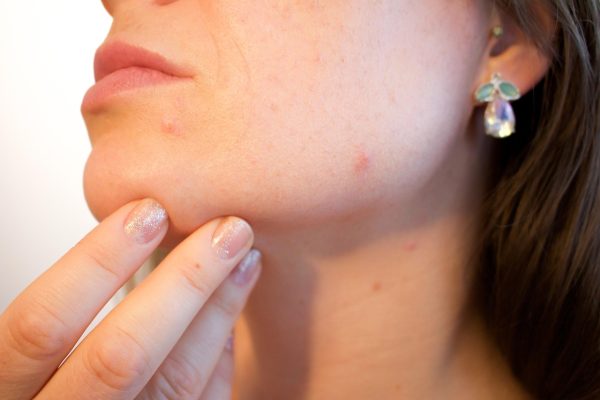
TL;DR: I did the toothpaste trick all through high school. I have a contact dermatitis scar on my left jawline from one…
TL;DR: The FDA’s current position, last reaffirmed in their Cosmetics Constituent Guidance and the 2022 modernization rules, is that the parabens approved…

TL;DR: If your moisturizer pills, separates, or beads up after an essence layer, the cause is almost always an emulsion-destabilizing interaction at…
TL;DR: Most people start a routine with too many products at once and abandon it inside six weeks. The adherence research and…
A friend sent me a wellness reel last month claiming that the skin “regenerates between 11 PM and 4 AM” and that…
A reader sent me a photograph last month of the back of a moisturiser. The front said “98% naturally-derived ingredients”. The ingredient…

I went through a phase a few years ago where I genuinely could not understand why my forearms got itchier the more…
Most people start buying skincare before they understand what their skin actually needs. That's why so many routines fail: the wrong order, the wrong actives, the wrong assumption that more products equals better skin. Skincare 101 fixes that.
This category is the entry point for everyone — whether you're 19 and just figured out moisturizer is non-negotiable, or 38 and rebuilding your routine from scratch after a barrier flare. The articles here give you the working knowledge that turns skincare from a confusing aisle into a small set of decisions you can make confidently.
Long-form, plain-English explainers covering skin anatomy and biology, the four common skin types and how to identify yours, the science of the skin barrier and pH, an introduction to the skin microbiome (the field that's reshaping skincare in 2026), the actual order to apply skincare products, and how to read an INCI label without falling for marketing.
Skincare is built on a small handful of truths. Your barrier is non-negotiable. Sunscreen prevents more aging than every anti-aging product combined. Cell turnover slows with age, and that's the lever almost every active ingredient pulls on. Once you understand these, the difference between a product that helps and a product that just costs money becomes obvious.
True beginners, returners after a long break, and anyone who feels they've been guessing at skincare for years. If you've ever wondered which order things go in, or whether your skin type actually changed when you turned 30, you're in the right place.