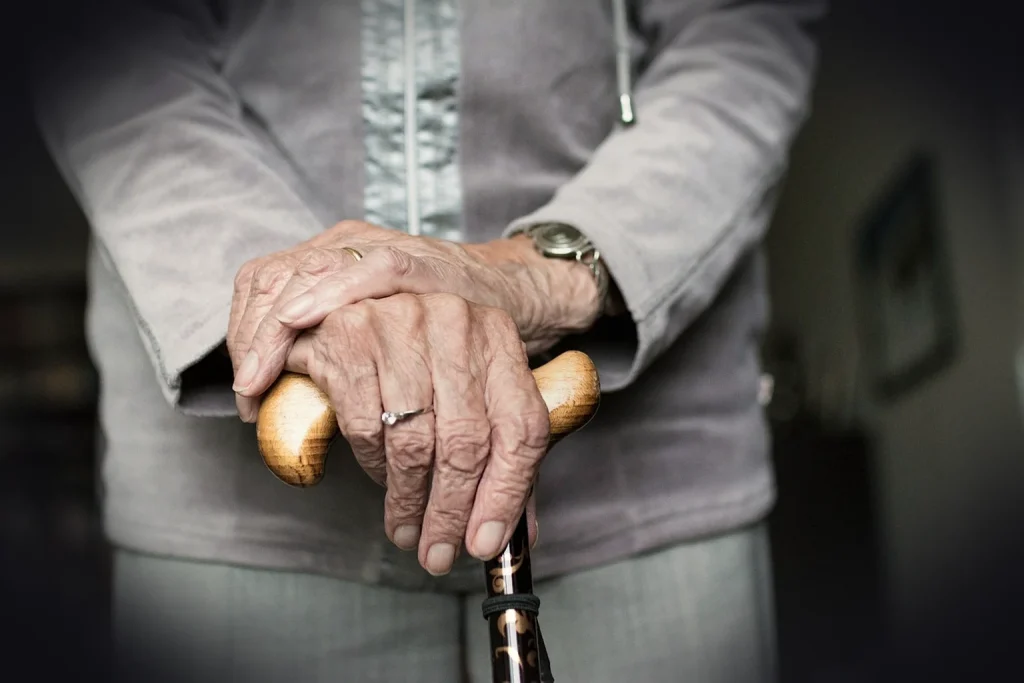
TL;DR: Aging gracefully isn't doing nothing, and it isn't pretending you don't care. It's care without panic, which usually shows up on the face as calm.
Quick answer
“Aging gracefully” has become a marketing phrase, which is unfortunate, because the underlying idea is useful. It’s a quiet move away from anti-aging panic toward something more sustainable: care without urgency. It’s not “embrace every wrinkle” passivity. It’s also not the aggressive procedure-stacking that’s now standard in some circles. It’s caring for your skin consistently, not making your face the central organizing principle of your life, and accepting that you’ll look different at fifty than you did at thirty. The people who manage it tend to be happier, and, often, look better for it — because anxious anti-aging produces visibly anxious skin.
What it actually is
Aging gracefully is caring for your skin. Sunscreen. A retinoid. The basics, done consistently for years. Treating specific concerns when you actually want to. Accepting that the face changes. Refusing to let appearance anxiety run your decade.
It is not doing nothing. It is not declining all interventions on principle. It is not pretending you feel fine when you don’t. The phrase has been twisted into both extremes, and neither is what people who actually live it are doing.
What anti-aging panic looks like
Stacking procedures. Buying products because of fear, not because of a thought-out routine. Spending past your means. Skipping events because you don’t like how your face looks that week. Avoiding photographs. Talking to yourself in your own bathroom mirror in a way you’d never let a friend talk to you. Believing that aging is something that has gone wrong rather than something that is happening on schedule.
These patterns are not abstract. They produce real stress, real financial pressure, and real disappointment when the next treatment doesn’t deliver what the previous one didn’t.
The science is a little annoying about this
The irony of anxious anti-aging is that it makes skin look worse. Cortisol amplifies the aging process. Sleep disrupted by appearance anxiety slows recovery. Constant product-switching out of dissatisfaction damages barriers. The face of someone in a low-grade panic about their face tends to read as older than the face of someone the same age who is generally fine.
You can see this in the people who look enviably good at fifty-five. Almost always, what you’re reading is not the procedures. It’s the calm.
What graceful actually looks like in practice
On the skincare side: daily sunscreen, the single biggest anti-aging lever there is. A retinoid, consistently. Vitamin C or another antioxidant. Hydration. Sleep. Reasonable food, not too much alcohol, and not smoking. None of this is glamorous. All of it works.
On the procedural side, when you choose to: interventions that support how you actually want to look, not how someone else looks. Conservative Botox or filler if you choose them. Skipping them entirely if you don’t want them. The conservative choice and the aggressive choice are both valid if they’re conscious.
On the mental side: your skin is part of who you are, not all of who you are. Comparison hurts. Awareness of comparison helps. Expectations should be realistic.
What’s actually shifting culturally
A few things have moved. The filter gap got too obvious — people stopped believing that the faces on their phones were real. The TikTok teen skincare backlash, after enough stories of damaged faces, made the aspirational version of “perfect skin at thirteen” suddenly look ugly. Public figures are aging publicly more often and not pretending they aren’t. Mental health awareness now extends to body image and skin anxiety in ways it didn’t ten years ago. The dominant message in wellness has shifted from “look better” to “feel better.”
These shifts make a graceful approach more accessible than it was even five years ago. There’s a real cultural permission slip now that wasn’t there before.
What good skincare looks like by decade
Twenties: daily sunscreen, a gentle routine, a retinoid by the middle of the decade. Cost-conscious. Habits that will outlast trends.
Thirties: optimize what’s working. Address specific concerns as they come up. Procedural support if you want it and your budget allows.
Forties: more active intervention if you want. Procedural support is useful here. Manage perimenopause with real intent.
Fifties and beyond: comfort, hydration, continued support. Realistic expectations. Confidence in the face you actually have.
The trajectory isn’t “stop aging.” It’s “support skin through aging while staying intact as a person.”
Healthy patterns vs. the warning signs
Healthy: the routine is a ritual you genuinely enjoy. You care for yourself because you want to. You don’t compare constantly. You accept that you look different on different days.
Warning signs: excessive mirror time. Your mood tracking your skin too closely. Skipping events because of how you look. Scrutinizing every photo. Compulsively accumulating products.
If skin concerns are affecting your daily life, that’s a conversation with a therapist, not a serum.
Treatments and graceful aging
Reasonable use of procedural treatments: conservative-dose Botox. Microneedling for texture. Laser for sun damage. Filler for specific volume loss. A retinoid for prevention.
Concerning use: aggressive treatment trying to look twenty years younger. Procedure dependency. Treatment driven by “future you” anxiety rather than present life. Chasing celebrity standards that aren’t real for civilians.
Each person draws the line for themselves. Conservative doesn’t mean doing nothing. Aggressive doesn’t mean wrong, if it’s a conscious choice you’re at peace with.
What natural aging actually looks like
Some collagen loss. Some pigmentation changes. Some textural changes. Some volume loss. Slower healing.
Also: character in the face. Real expression marks. The kind of lived-in quality that’s increasingly being read as beautiful rather than as failure. The aesthetic standard is genuinely shifting on this.
Practices that help
A slow evening skincare ritual that drops your cortisol before sleep. Therapy or journaling if appearance anxiety is loud. Limiting filtered content — your social feed is part of your environment. Time with real people, where you can see what real skin actually looks like in real light. Focusing on health metrics (sleep, energy, mood) rather than appearance metrics. Movement. Sleep. Stress management you actually do, not the kind you bookmark.
When skincare starts to look like a problem
If you’re spending more time on your skin than enjoying your life. If skincare is creating financial pressure. If you’re constantly dissatisfied with what you see. If your mood is tracking your skin too closely. If you’re avoiding social situations because of how your face looks that day.
These are signals worth taking seriously. A therapist for the body-image piece. A dermatologist for the medical piece. Sometimes the right move is shrinking the routine, not expanding it.
What this means for brands
The “anti-aging” framing is on its way out. Some brands are leaning into “graceful aging” language, which is fine if it’s genuine and grating if it isn’t. The shift toward “support skin through life” rather than “fight aging” is real, and the brands that lean into it tend to connect with readers who are tired of fear-based marketing.
Misconceptions worth retiring
Graceful aging means doing nothing. No. It means doing what supports you, not what tries to reverse time.
All cosmetic treatments are bad. No. Conservative, considered treatments are part of caring for yourself if you want them.
Acceptance means giving up. No. It means real care without anxiety.
You shouldn’t think about your skin at all. Healthy attention is fine. Obsession is the issue.
Younger always looks better. The aesthetic standard is genuinely changing on this. Character is being read as beautiful in ways it wasn’t a decade ago.
What it isn’t
A specific routine. Achievable through products alone. The same for everyone. Free of effort. Free of money. About avoiding all visible change.
It’s a relationship with your face and the passage of time that supports the rest of your life.
The Elelaf position
Care without panic. Effective ingredients without inflated promises. Mindful routine. Realistic about results. No fear-based marketing. That’s the editorial line, and it lines up with where graceful aging actually lives.
FAQ
Should I try to look like I did at 25? Not as a goal. Look like the best version of your current age.
Is preventive Botox in your twenties graceful aging? Depends on intent. Conservative use can be reasonable. Excessive use generally isn’t.
What if I want to fight aging more aggressively? Your choice. Be aware of the anxiety-versus-peace tradeoff and what realistic outcomes actually look like.
How do I stop comparing my skin to filtered images? Limit exposure. Curate your feed. Spend time with real people in real light.
Will stopping all skincare be more graceful? Daily SPF and basic care support skin without panic. “Doing nothing” is just accelerated aging with a story attached to it.
Sources
AAD position papers on dermatology and mental health, 2024.
Tool: teen skincare starter — 3 products max, age-appropriate.
Keep reading
Keep reading
- Sleep, Stress & WellnessThe cortisol-skin axis: how stress becomes breakouts
- Behind the BrandFounder’s notes: why I started Elelaf
- Mindful SkincareMindful skincare: why the ritual is part of the result
Related: Skin picking and dermatillomania: a compassionate guide, and Dermatographia: when 'skin writing' is more than just a histamine quirk, and Editor's essay: I stopped chasing perfect skin and my skin got better, and From Cradle Cap to Tween Skin: Why Infantile Seborrheic Dermatitis Echoes Later, and Why does niacinamide tingle on my skin sometimes but not always?, and Skin picking and dermatillomania: a compassionate guide, and Dermatographia: when 'skin writing' is more than just a histamine quirk, and From Cradle Cap to Tween Skin: Why Infantile Seborrheic Dermatitis Echoes Later.
References
- Kligman AM, Christensen MS. The biology of the stratum corneum revisited. Int J Cosmet Sci. 2011. PubMed.
- Draelos ZD. The science behind skin care: cleansers. J Cosmet Dermatol. 2008. PubMed.
Have a question about “Aging gracefully: a cultural take on skin and time”?
Ask our editorial desk. Best questions become full follow-up articles, reviewed by our medical reviewer. No medical advice given in private — answers run as articles or not at all.