
Acids (AHA / BHA / PHA)
The mandelic acid case for darker skin tones
TL;DR: Mandelic acid has a molecular weight roughly twice that of glycolic, which sounds like a disadvantage and is actually the point.…
We use cookies to count readers (Google Analytics) and to send you our newsletter (Klaviyo, if you sign up). Nothing is sold. Read our privacy notice.
Category
Know exactly what's in the bottle and why it matters.
Quick answer
The Ingredients library is the most thorough English-language reference for skincare actives we know how to build. Each entry breaks down what an ingredient is, the mechanism by which it works, the clinical evidence behind it, who should and shouldn't use it, and how to layer it without canceling other actives.
Retinol, retinal, tretinoin, bakuchiol — every option, decoded.
Every form of vitamin C — LAA, SAP, MAP, THD, glucoside.
The all-rounder vitamin B3, properly explained.
Signal, carrier, neuropeptides — and which actually work.
The exfoliant family from gentlest to strongest.
Hyaluronic acid, glycerin, polyglutamic acid, beta-glucan.
Barrier-repair lipids the skin actually uses.
Pre/pro/postbiotics, ferments, and biome-friendly botanicals.
PDRN, exosomes, EGF, snail mucin, propolis, galactomyces.
Mineral, chemical, and what's actually FDA-approved in the US.
TL;DR: Mandelic acid has a molecular weight roughly twice that of glycolic, which sounds like a disadvantage and is actually the point.…
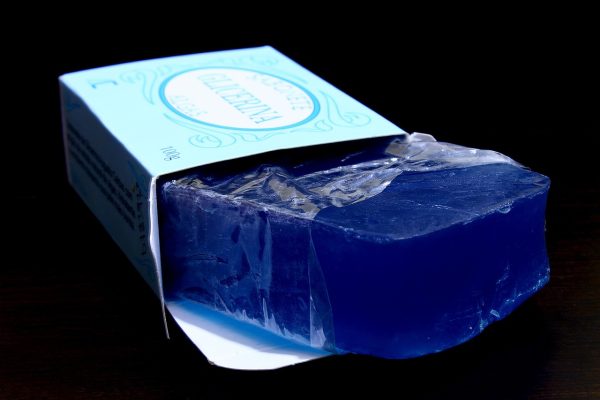
TL;DR: Glycerin has more published hydration data than any other humectant in skincare, and it costs about a dollar a kilogram in…
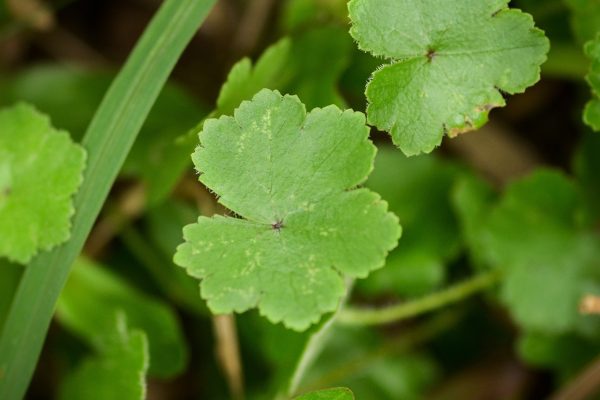
TL;DR: Centella asiatica is the plant. Asiatic acid, madecassic acid, asiaticoside, and madecassoside are four specific compounds inside that plant, each with…

TL;DR: Differin gel was prescription-only for twenty years. In 2016 the FDA moved adapalene 0.1 percent gel to over-the-counter status with almost…
TL;DR: The original niacinamide research used 2 to 5 percent, not 10 percent. The 10 percent serums sold today are extrapolations, not…
TL;DR: An open bottle of 15% L-ascorbic acid serum loses a meaningful percentage of its active dose within weeks, not months. The…
TL;DR: Ceramide moisturizers work brilliantly for the first month, then most people notice diminishing returns. The reason is usually not the ceramide…

INCI Beauty rates products 0-20 using EU regulatory data and a green-to-red flower code. We tested whether the French scanner beats Yuka…

A founder-led $149 swab test that reads bacteria and fungi, returns a top-10 microbe list, and rewrites how you think about minimalism.

A Swedish dermatologist-founded DNA kit covering 16 SNPs across 5 aging dispositions. Read as a one-time biography, not a perpetual routine.
Modern skincare is an ingredient game. Brand names matter less than the molecules inside the bottle, and the brands that succeed are the ones that explain those molecules honestly. The Ingredients library exists because nobody else is doing this work at the depth and clarity it deserves.
Ten subcategories cover the whole field: Retinoids & Bakuchiol (the cell-turnover family), Vitamin C (every form, from L-ascorbic acid to ascorbyl glucoside), Niacinamide, Peptides, Acids (AHA, BHA, PHA), Hydrators (hyaluronic acid, glycerin, polyglutamic acid), Ceramides & Lipids, Microbiome Ingredients (pre/pro/postbiotics, ferments), Korean & Biotech Actives (PDRN, exosomes, snail mucin), and Sunscreen Filters.
Every entry follows the same structure. A 60–90 word quick-answer up top so you can leave with the key facts in 30 seconds. Then the science, in plain English. Then the clinical evidence, with citations and publication dates so you can verify. Pairing rules, side effects, who should avoid, recommended concentrations, and which forms are FDA-approved in the US.
Elelaf is FDA-approved and manufactured in South Korea — the world's most innovative skincare lab ecosystem. We pay close attention to which ingredients are approved where, and which are still under regulatory review (looking at you, exosomes). Our ingredient pages will always tell you the regulatory status, not just the marketing claim.