
Skincare 101
Cosmetic vs OTC drug regulation: where the legal line really sits
A claim about plumping skin is cosmetic. A claim about treating acne makes it an OTC drug. Here is exactly where the…
We use cookies to count readers (Google Analytics) and to send you our newsletter (Klaviyo, if you sign up). Nothing is sold. Read our privacy notice.
Category
Start here. Everything you need before you buy anything.
Quick answer
Skincare 101 is the foundation library of the Elelaf Journal. It explains how skin actually works — barrier, microbiome, sebum, cell turnover — in plain English, then translates that into beginner routines you can build in five minutes. Every piece is dermatologist-reviewed and free of marketing hype.
How skin actually works at a layer level.
Identify your real type — and how it shifts with age.
The acid mantle and why it's non-negotiable.
What lives on your skin and why it matters.
AM and PM application order, decoded.
How to read an ingredient list without falling for marketing.
The minimum viable routines that actually work.
Plain-English definitions for every term you'll encounter.
Quick myth-busts beginners run into early.
From gua sha to LED — what's worth using.
A claim about plumping skin is cosmetic. A claim about treating acne makes it an OTC drug. Here is exactly where the…

Pre-launch irritation testing is outsourced to specific contract labs and dermatologist panels. Here is exactly who reviews a serum before it ships…

Few cosmetic studies are truly double-blind placebo controlled. Here is what the term means, why it is hard to apply to skincare,…

Cosmetic clinical trials follow specific protocols on duration, sample size, and endpoints. Here is how a real skincare study is built before…

The FTC, not the FDA, polices most skincare advertising. Here is what triggers enforcement, how influencer rules apply, and which claims get…
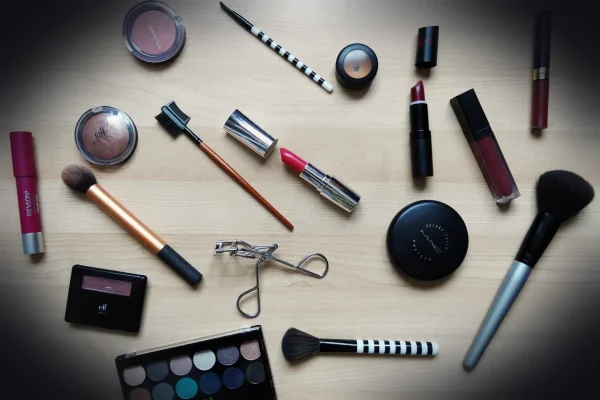
Most cosmetic claims are never pre-reviewed by the FDA. Here is who reads your moisturizer label, who flags violations, and what actually…

Lab-tested on a moisturizer can mean three different things. Here is what cosmetic chemists, regulators, and brands legally allow that phrase to…
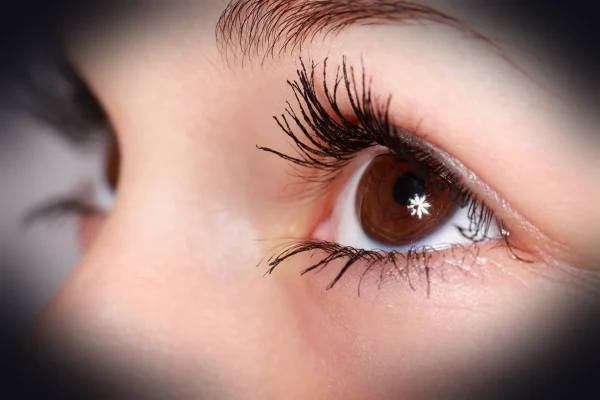
Mascara packaging follows specific FDA rules on labeling, claims, and ingredient disclosure. Here is what is actually required versus optional on the…

Soft water changes how cleansers rinse, how much you actually need, and how moisturizer absorbs. A guide for households on softened or…
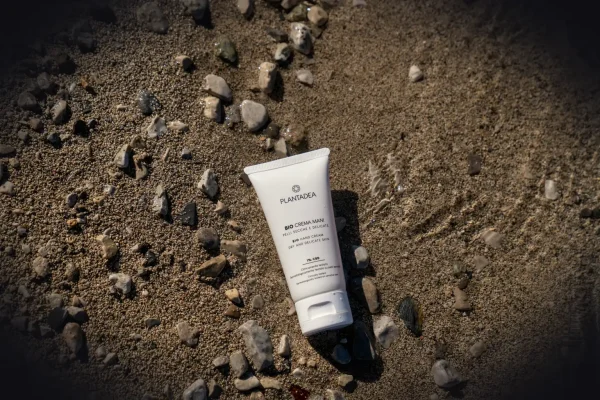
Greasy sunscreen feel comes from filter type, emollient load, and your own sebum profile. Find a SPF that finishes matte without changing…
Most people start buying skincare before they understand what their skin actually needs. That's why so many routines fail: the wrong order, the wrong actives, the wrong assumption that more products equals better skin. Skincare 101 fixes that.
This category is the entry point for everyone — whether you're 19 and just figured out moisturizer is non-negotiable, or 38 and rebuilding your routine from scratch after a barrier flare. The articles here give you the working knowledge that turns skincare from a confusing aisle into a small set of decisions you can make confidently.
Long-form, plain-English explainers covering skin anatomy and biology, the four common skin types and how to identify yours, the science of the skin barrier and pH, an introduction to the skin microbiome (the field that's reshaping skincare in 2026), the actual order to apply skincare products, and how to read an INCI label without falling for marketing.
Skincare is built on a small handful of truths. Your barrier is non-negotiable. Sunscreen prevents more aging than every anti-aging product combined. Cell turnover slows with age, and that's the lever almost every active ingredient pulls on. Once you understand these, the difference between a product that helps and a product that just costs money becomes obvious.
True beginners, returners after a long break, and anyone who feels they've been guessing at skincare for years. If you've ever wondered which order things go in, or whether your skin type actually changed when you turned 30, you're in the right place.