
There is a specific kind of tired the first year of grief produces. It shows up in the way the skin holds light. Photographs taken six months after a major loss almost always read different than the ones taken the year before, and most of that is not what skincare can fix. It is the body doing what it does under sustained sorrow.
I write this carefully because grief is not a problem to solve and skin is not the point. But several readers each year ask me directly: my skin has changed since my mother died, what do I do. So this is the answer I give them.
What it is
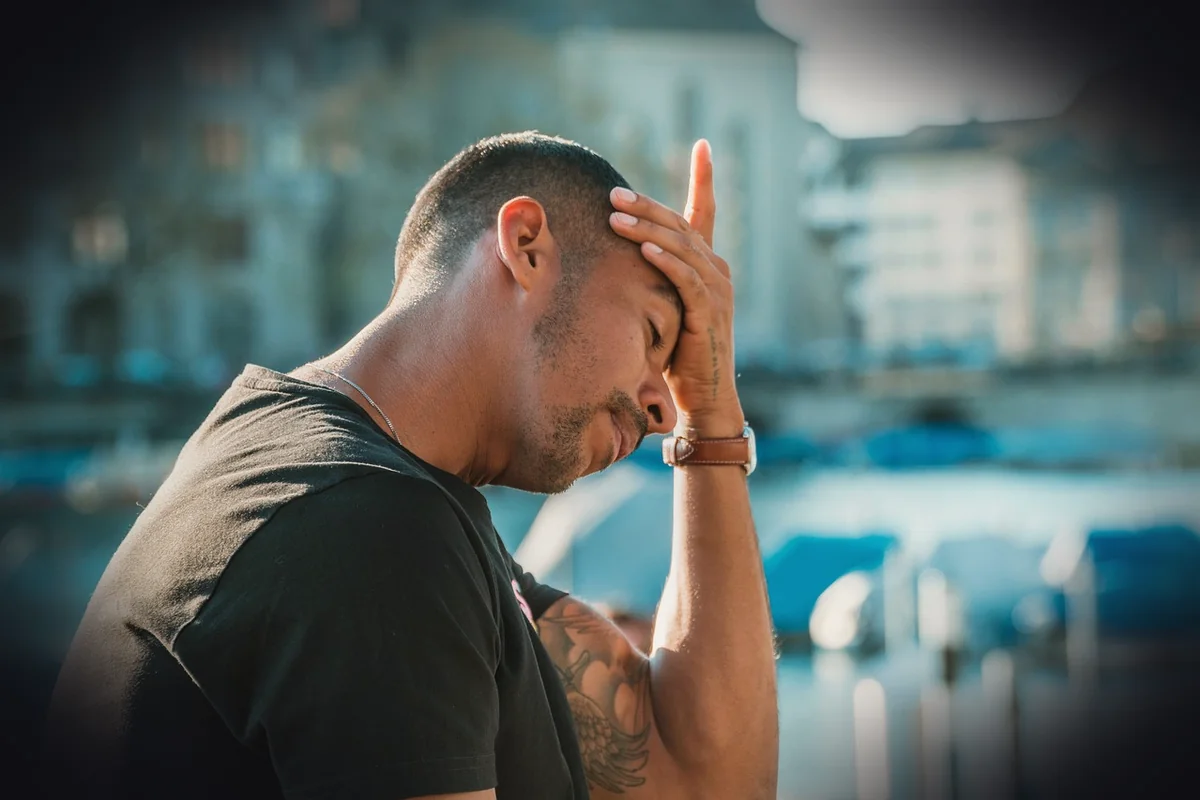
Grief skin is the skin response to sustained, deep psychological pain across many months. Unlike acute stress, which often peaks and resolves, grief tends to come in waves: heavier in months one to three, quieter in months four to six, and sometimes returning at anniversaries or unexpected triggers. The skin tracks those waves.
The most common pattern is duller complexion, increased reactivity to products that used to be fine, a softer or more swollen look around the eyes from crying and broken sleep, and a slow accumulation of small things: a patch of eczema, a couple of breakouts in places you do not usually break out, a tighter feel to the cheeks. None of it is dramatic. It is just present.
Why it happens
Grief produces sustained cortisol elevation, similar to chronic stress, but with deeper sleep disruption and often more crying. Crying itself changes the skin around the eyes: the salt in tears is mildly drying, the mechanical rubbing irritates the thin lid skin, and the inflammation can linger for a day or two after a heavy night.
Beyond cortisol, grief disrupts appetite, hydration, and the small rituals that make a skincare routine consistent. Many grieving readers tell me they stopped wearing moisturiser, not as a decision, but because they stopped thinking about it. That is normal. It is not something to feel ashamed about, and it is the part that recovers most quickly once you have a small handful of products you trust.
What helps
Less, always. The grief routine I recommend is two products: a gentle cleanser at night and a moisturiser morning and night, plus SPF in the morning. Three steps total, none of them optional, none of them complicated. A simple sensitive-skin moisturiser with ceramides and glycerin is enough. If you have used a niacinamide serum that you tolerate well, keep it. Do not start anything new.
A weekly ritual matters more than a daily one in this season. A Mindful Mask on a Sunday afternoon, with no other agenda, gives the routine some breath and the skin some genuine support. The point is not the mask. The point is twenty quiet minutes with something on your face that feels like care rather than work.
Hydration, sleep, and going outside for light most days do more than any active ingredient. None of those are easy in grief. Do them as well as you can.
The contrarian view: grief is not the season to glow
You will see articles promising that grief is a time for a glow-up, a transformation, a phoenix moment. I do not believe in that framing, and I do not see it work. The body and the skin are doing something during grief that asks for shelter, not improvement. Trying to look like you are thriving when you are not produces a worse routine, more product fatigue, and more disappointment with the mirror.
Look like a person in grief. Take care of your skin the way you take care of a tired friend. That gets you to a year out with skin that is genuinely intact.
When to see a dermatologist
Persistent rashes that do not resolve in two weeks, sudden hives or angioedema, eczema patches that keep spreading, hair shedding that continues past four months, or any new mole or lesion that has changed shape, colour, or border warrant a clinical visit. Grief can ignite eczema, seborrheic dermatitis, and rosacea in people who are predisposed, and these respond well to medical treatment.
The real numbers
The literature on bereavement and immune function is consistent: research summarised in The Lancet and Psychoneuroendocrinology shows that bereaved adults have measurably reduced immune function for six to twelve months after a major loss, with slower wound healing and increased inflammatory markers. Skin barrier recovery times slow by an average of 30 to 50 percent during this period, similar to the patterns seen in chronic-stress populations.
FAQ
How long does grief skin last? Most acute changes resolve within nine to twelve months. Deeper changes can persist longer, particularly if grief overlaps with poor sleep or other life stressors.
I cannot stop crying and my eyes are wrecked. What helps? Cold compresses for ten minutes, a thicker eye cream at night, and patience. Lid skin recovers quickly once the crying becomes less frequent.
Is it okay to wear no makeup for a year? Completely. Skin without makeup recovers faster from grief flares and is easier to read for actual changes.
Should I see a derm or wait? If a specific symptom is bothering you, see one. The visit is short and they have seen this exact pattern before.
Why did my hair start falling out four months after the loss? Telogen effluvium typically starts two to four months after the stressor, which means grief shedding often peaks when you thought you were past the worst.
Sources
- Buckley T et al. Physiological correlates of bereavement and the impact of bereavement interventions. Dialogues in Clinical Neuroscience, 2012.
- Stahl ST, Schulz R. Changes in routine health behaviors following late-life bereavement. Journal of Behavioral Medicine, 2014.
- American Academy of Dermatology. Stress and skin: AAD public resources.
- Kiecolt-Glaser JK et al. Stress, inflammation, and yoga practice. Psychosomatic Medicine, 2010.
Related: skinimalism guides.
Keep reading
References
- Madison KC. Barrier function of the skin. J Invest Dermatol. 2003. PubMed.
- Elias PM. Skin barrier function. Curr Allergy Asthma Rep. 2008. PubMed.
Have a question about “Grief and Skin: What Happens in the First Year, Slowly”?
Ask our editorial desk. Best questions become full follow-up articles, reviewed by our medical reviewer. No medical advice given in private — answers run as articles or not at all.