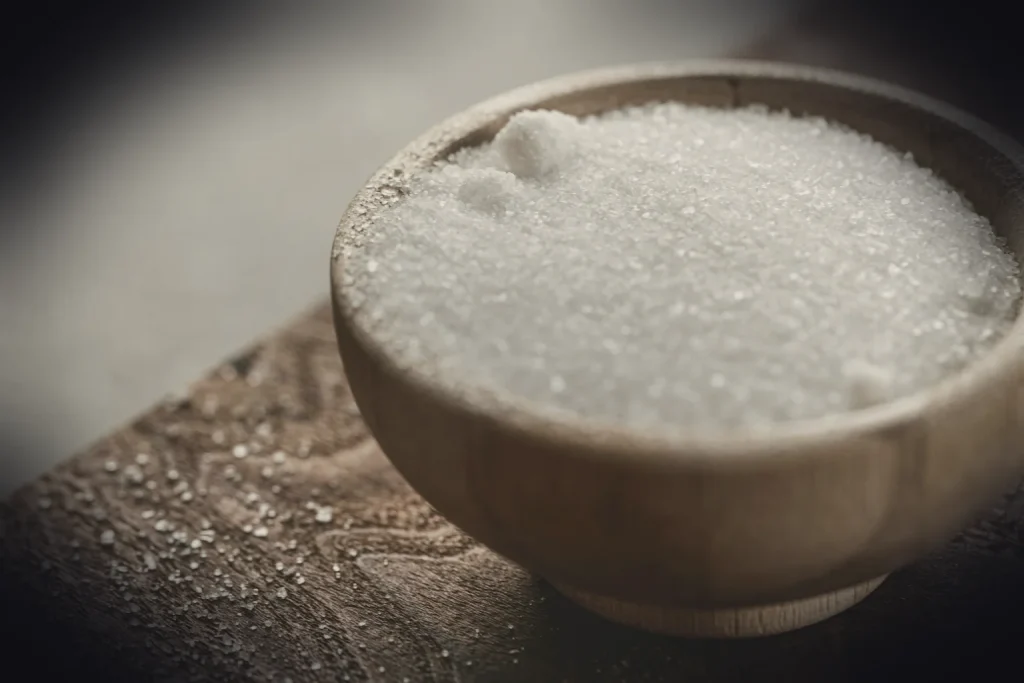
TL;DR: The connection between sugar and skin aging isn't a wellness aphorism. It's a real chemical process called glycation. Here's what's happening, and what helps.
Quick answer
Glycation is a chemical reaction in which sugar molecules attach to proteins — collagen and elastin among them — and form damaged cross-links called Advanced Glycation End-products, or AGEs. High-glycemic diets accelerate the reaction. AGEs accumulate with age and contribute to visible skin aging: yellowing, stiffness, loss of elasticity, fine lines. Reducing refined carbohydrates, layering in antioxidants (especially vitamin C, E, ferulic acid, and carnosine), and wearing daily SPF all reduce AGE formation. The connection is real, but in real-world dietary terms it’s modest, not the headline aging variable.
What glycation actually is
When you sear a steak or toast bread, sugars react with proteins to form brown, complex molecules. That’s the Maillard reaction. The same chemistry happens inside the body, more slowly. Excess blood sugar reacts with collagen, elastin, and other tissue proteins. The result is damaged proteins — AGEs — that cross-link and stiffen tissue, show up visibly as yellowed, less elastic skin, contribute to a lined and less firm appearance, and resist normal cellular repair mechanisms.
Glycation is one of several aging mechanisms in skin, alongside DNA damage, oxidative stress, and chronic inflammation. It’s modest but real, and it accumulates over decades.
How diet contributes
High blood sugar levels accelerate glycation. Diets heavy in refined carbohydrates, sugary drinks, and ultra-processed foods drive bigger post-meal glucose spikes and therefore more sugar available to react with proteins.
Cooking method also contributes. Deeply browned, fried, or charred foods contain higher levels of dietary AGEs. Some are absorbed; some pass through. The contribution to skin aging is debated, and probably modest.
The skin’s own AGE accumulation is measurable. Devices that read skin AGE levels correlate well with chronological age, sun damage, smoking, and dietary pattern.
What this means in practice
This isn’t an argument for eliminating sugar entirely. It’s an argument for reducing chronic post-meal glucose spikes.
That looks like lower-glycemic eating in the everyday sense — vegetables, lean proteins, whole grains, legumes — and less white bread, sugary drinks, candy, refined carbs. Pairing carbs with protein, fat, and fiber slows absorption and lowers the glycemic response.
Less ultra-processed food is probably more relevant than the sugar issue specifically, because ultra-processed foods drive both glycation and inflammation. Keep added sugar somewhere under the USDA recommendation of 25g a day for most adults.
The dietary effect is modest but real. Mediterranean-style eating patterns are the most consistently associated with better skin aging outcomes.
Topical interventions
Several topicals are documented to reduce AGE formation or inhibit downstream damage. Carnosine, including N-acetyl-L-carnosine, is the most-studied anti-glycation peptide. Vitamin C at meaningful concentrations — 10–20% — is antioxidant and supports glycation-relevant pathways. Vitamin E is antioxidant. Ferulic acid is antioxidant and pairs synergistically with vitamin C, which is why the classic Skinceuticals serum stacks them. Niacinamide has modest evidence here. Topical glutathione is antioxidant but has limited skin penetration.
The honest framing: topical anti-glycation work isn’t dramatic. It’s a layer of support alongside the primary anti-aging actives (retinoids, SPF) and the dietary side.
What actually does the most
Roughly in order of effect:
Daily SPF, because sun damage amplifies glycation and SPF prevents both.
A lower-glycemic diet, sustained over years rather than weeks.
Adequate sleep — high cortisol from poor sleep affects glycation pathways.
Topical and dietary antioxidants: vitamin C, E, ferulic acid, dietary polyphenols.
Smoking cessation. Smoking massively accelerates glycation; nothing else you do compensates.
Moderating alcohol, which contributes modestly.
Regular exercise, which improves glucose metabolism and reduces AGE accumulation over time.
These mostly overlap with the standard metabolic-health package, which is part of why they work.
What to skip in this conversation
“Anti-AGE” supplements. Most have weak skin-specific evidence. Carnosine has some. Many of the marketed ones don’t.
Detox approaches. Glycation isn’t reversible by detoxing. It’s prevented by chronic dietary patterns and sun protection.
Single-meal “anti-aging” eating. Glycation is the accumulation of decades. A clean week won’t reverse it.
Demonizing all sugar. Some carbohydrates are essential and skin-supportive. The target is excess refined carbs, not the abolition of sugar.
Common mistakes
Believing skin aging is mostly diet-driven. Sun damage and smoking dominate. Diet is meaningful but smaller.
Eliminating all carbs. Unsustainable, unnecessary, and Mediterranean-style eating is more achievable and just as effective.
Buying “anti-glycation” creams expecting transformation. Modest effect, not a single fix.
Stopping skincare to “let skin heal naturally” while focusing on diet. Diet supplements topical work; it doesn’t replace it.
What changes with age
AGE accumulation increases over decades. By the fifties and sixties, the accumulation in skin is substantial, which is why prevention earlier is so much more cost-effective than reversal later.
In the thirties and forties, modest dietary improvements plus topical antioxidants plus SPF produce measurable benefit over years. In the fifties and beyond, procedural treatments — microneedling, lasers — add visible improvement on top of the topical and dietary work.
FAQ
Will eating a slice of cake age my skin? Negligibly. It’s the cumulative pattern of high-glycemic eating that matters, not the single slice.
Are sugar substitutes (stevia, monk fruit) better for skin? Probably modestly, since they don’t drive glucose spikes. Long-term skin-specific data is limited.
Does a low-glycemic diet really make skin look younger? Modestly. Multiple studies show benefit, with an effect size smaller than SPF or quitting smoking.
The best single thing I can change? Cut sugary drinks. Soda, juice, sweetened coffee. They’re the most concentrated source of glycation-driving sugars in many diets.
Can topical glycation inhibitors really work? Modestly. Carnosine has the strongest evidence. Don’t expect dramatic results.
Sources
Gkogkolou P, Böhm M. Advanced glycation end products: key players in skin aging? Dermato-Endocrinology, 2012. Pageon H et al. Skin aging by glycation: lessons from the reconstructed skin model. Clinical Chemistry and Laboratory Medicine, 2014.
Keep reading
Keep reading
- Routines & How-TosThe 5-year skin aging strategy: daily decisions that compound
- Body & Specific AreasNeck and décolleté skincare: sun damage, texture, and strategy
- HyperpigmentationSun spots and age spots: treatment timelines that actually work
Related: The dietary skincare evidence quality ranking: dairy, sugar, fish oil, vitamin A, and Collagen peptides oral supplements: the 2024 evidence quality ranking.
References
- Kligman AM, Christensen MS. The biology of the stratum corneum revisited. Int J Cosmet Sci. 2011. PubMed.
- Draelos ZD. The science behind skin care: cleansers. J Cosmet Dermatol. 2008. PubMed.
Have a question about “Sugar and aging skin: the glycation story”?
Ask our editorial desk. Best questions become full follow-up articles, reviewed by our medical reviewer. No medical advice given in private — answers run as articles or not at all.