Skin barrier damage is the single most common diagnosable skincare problem in 2026, and almost all of it is self-inflicted. Not because anyone is trying, but because the routine creep of acids, retinoids, scrubs, and stripping cleansers adds up faster than people realise. The fix isn't a new product; it's a deliberate subtraction.
The 7 signs your barrier is damaged
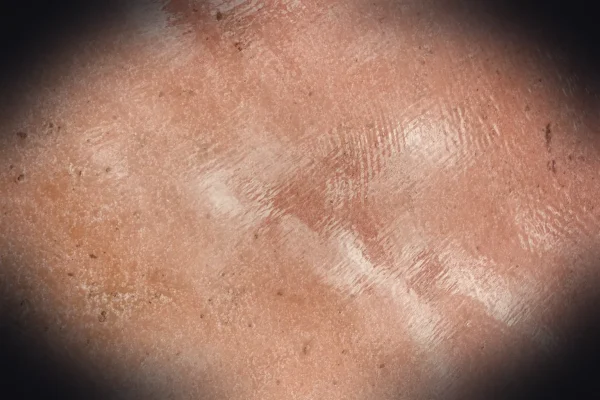
1. Stinging when you apply products that used to feel fine, even water sometimes. 2. Persistent redness or flushing without an obvious trigger. 3. Tightness within minutes of cleansing, no matter the cleanser. 4. Small dry flakes that don't respond to moisturizer the way regular dry skin does. 5. New breakouts in unusual patterns, often on cheeks rather than the usual zones. 6. Sensitivity to ingredients you've used for years. 7. A dull, slightly waxy look despite hydration. The full breakdown goes into the biology, but if you have three or more of these, your barrier is the priority before anything else.
What actually damages the barrier
Over-exfoliation is the leader by a wide margin. Daily acid toners, weekly chemical peels, twice-daily salicylic cleansers, retinol every night before adaptation, physical scrubs with rough particles. Any combination compounds. Add foaming cleansers that strip lipids, high-alcohol toners, fragrance, essential oils, and the routine sensitises within weeks. The 9 most common skincare mistakes all damage the barrier; it's how most reactive skin develops.
Less obvious offenders: hard water if your area runs alkaline, hot showers, indoor heating dropping humidity below 30 percent, chronic stress (the cortisol-skin axis is real), short sleep, and high-sugar diets that accelerate glycation. Topical routine is the main lever, but the rest matters too.
The 14-day repair plan
Stop everything except a non-foaming cleanser, a fragrance-free ceramide moisturizer, and mineral SPF. No actives. No exfoliation. No retinol. No vitamin C. No fancy serums. Apply the moisturizer twice daily, generously, immediately after washing while skin is still damp. The detailed 14-day plan walks through it day by day, but the principle is restraint.
Within 7 to 10 days, stinging stops. Within 14 days, redness reduces. Within 28 days, the barrier is meaningfully rebuilt and you can start reintroducing one active at a time, with a week of stability between each reintroduction. Skip this rebuild step and the damage compounds for months.
The contrarian take: 'barrier-supporting' marketing is doing nothing if you keep over-exfoliating
The beauty industry has discovered the word 'barrier' and slapped it on every other product. Adding a 'barrier-supporting' serum to an already over-active routine doesn't repair anything; it just sits on top of the damage. You can't supplement your way past over-exfoliation. The active step is removal, not addition. Elelaf's Microbiome Glow Serum supports the microbiome layer of the barrier, which is one input among several, but no serum overrides a daily acid habit.
The microbiome layer most people ignore
The barrier isn't just lipids and protein. The skin microbiome sits on top, and over-cleansing strips beneficial bacteria along with the oil. Reintroducing pre, pro, and postbiotics after a barrier rebuild helps re-establish the microbial layer. This is a slower process than barrier lipid repair (4 to 8 weeks rather than 2 to 4) but matters for long-term resilience.
When barrier damage is something else
If you've done a clean 28-day rebuild and skin is still stinging, flaring, or worsening, the underlying cause may not be self-inflicted barrier damage. Rosacea, perioral dermatitis, allergic contact dermatitis, or seborrheic dermatitis can present similarly and need a dermatologist. Perioral dermatitis in particular gets misdiagnosed as barrier damage and made worse by exactly the rich creams that help most barrier issues. If your reactive period coincides with a new prescription, hormonal change, or major stress event, those are worth flagging too.
Frequently asked questions
- What are the signs of a damaged skin barrier?
- Stinging from products that used to feel fine, persistent redness, tightness within minutes of cleansing, small flakes that don't respond to moisturizer, new breakouts in unusual zones, sensitivity to ingredients you've tolerated for years, and a dull or waxy look. Three or more of these together is a clear signal. Most people develop these signs gradually over months of over-exfoliating without noticing the trend.
- How long does it take to repair a damaged skin barrier?
- Stinging usually stops within 7 to 10 days of stopping all actives. Redness reduces by day 14. Meaningful barrier rebuild takes 14 to 28 days. The microbiome layer takes 4 to 8 weeks to fully recolonise. After 28 days you can reintroduce one active at a time, with a week of stability between each. Rushing reintroduction is the most common reason repair cycles repeat indefinitely.
- What causes a damaged skin barrier?
- Over-exfoliation is the leading cause: daily acid toners, frequent peels, retinol before tolerance is built, and physical scrubs. Foaming sulfate cleansers, high-alcohol toners, fragrance, essential oils, hot water, and indoor heating below 30 percent humidity all contribute. Stress, short sleep, and high-sugar diets accelerate the damage. The single most common pattern is too many actives layered too often without enough hydration in between.
- Can I use retinol with a damaged barrier?
- Not until the barrier is repaired. Retinol on damaged skin worsens the damage and prolongs the inflammation cycle. Stop all actives for at least 14 to 28 days, run a barrier-repair routine (gentle cleanser, ceramide moisturizer, SPF), then reintroduce retinol slowly: twice a week, applied over moisturizer, at the lowest tolerable strength. Many people who think they 'can't tolerate' retinol have only ever tried it on a damaged barrier.
- What ingredients help repair a skin barrier?
- Ceramides (multiple types: NP, AP, EOP), cholesterol, fatty acids, panthenol, niacinamide at low concentration, beta-glucan, centella asiatica, allantoin, hyaluronic acid, and glycerin. Look for products with several of these rather than chasing a single hero ingredient. Squalane works as a finishing emollient. Postbiotics support the microbiome layer. Avoid anything with fragrance, essential oils, or high alcohol content during the rebuild.
- When should I see a dermatologist about barrier damage?
- If symptoms haven't improved after 28 days of a strict barrier-repair routine, if you have visible flushing with broken blood vessels, itchy scaling patches, bumps around the mouth, or sudden new sensitivity tied to a medication or hormonal change. These patterns suggest rosacea, eczema, perioral dermatitis, or contact allergy, which need specific treatment and can be made worse by the rich creams that help most barrier damage.