Why body skin gets ignored
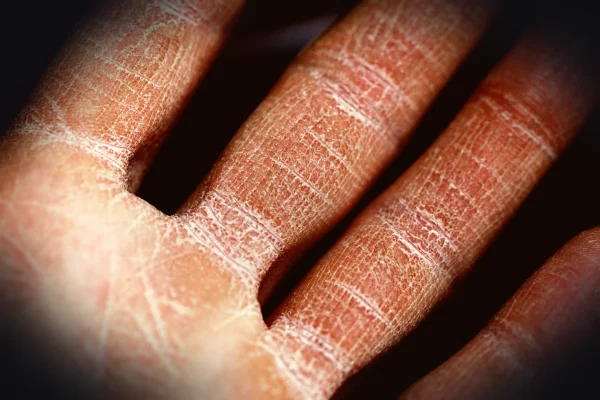
Most skincare conversations stop at the jawline, but body skin makes up the other 95% of your surface area and has its own physiology. Skin on the back is the thickest on the body and produces the most sebum (which is why body acne lives there). Skin on the shins and inner arms is thin, low in oil glands, and prone to dryness and roughness. Skin on the neck and chest is thinner than face skin and ages faster from sun exposure.
The shape of a real body routine is broader than 'use lotion sometimes,' and the four most common body skin complaints — keratosis pilaris, body acne, strawberry legs, and stretch marks — all have evidence-based treatments that genuinely work.
The core body routine
- Gentle body wash daily. Non-stripping, glycerin or shea-butter based. Avoid heavily fragranced or sulfate-heavy washes that strip the barrier.
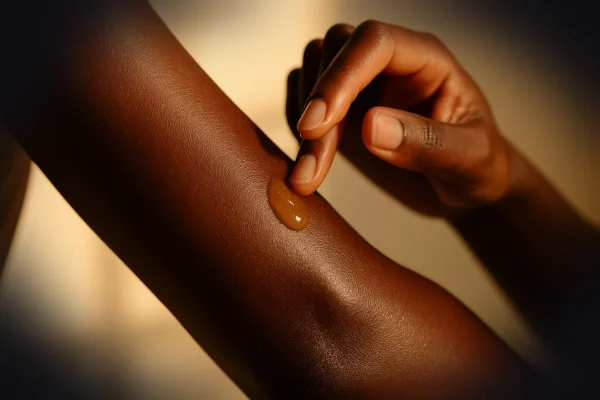
- Lipid-rich body lotion or cream. Applied within 60 seconds of toweling, to damp skin. Look for ceramides, urea, glycerin, shea butter, or squalane.
- Chemical exfoliation twice a week. Lactic acid 8-12% body lotion for general roughness; salicylic acid 2% spray for back and chest if you are acne-prone.
- SPF on exposed body areas. Hands, chest, arms in summer. People put sunscreen on the face and ignore everywhere else, and 20 years later wonder why their hands look older than their face.
The contrarian take: body skin responds faster than you think
People assume body skin is harder to treat than face skin and accept rough thighs, KP arms, and bumpy upper backs as permanent. They are not. Body skin actually responds quickly to consistent active use — most people see meaningful improvement in 6-8 weeks. The reason it does not happen is consistency: face routines run nightly, body routines run when someone remembers. A simple, daily body habit outperforms an aggressive but rare one.
Keratosis pilaris and the chicken skin problem
The keratosis pilaris piece covers this in detail. KP — those small bumps on the outer upper arms, thighs, and sometimes cheeks — affects 40-50% of adults. The treatment that consistently works: a urea-based or lactic-acid-based body lotion (urea 10-20% or lactic acid 10-12%), applied twice daily for 8-12 weeks. KP does not fully resolve, but it dramatically improves with this approach. Avoid scrubs — they irritate without treating the underlying keratin buildup. The American Academy of Dermatology has good patient-facing guidance at aad.org.
Body acne and the bacne problem
The body acne breakdown covers chest, back, and butt acne — three areas with different causes. Back acne is usually hormonal plus sweat and friction. Butt acne is often folliculitis from sitting in synthetic activewear. Chest acne can be hormonal or sweat-related. The most consistent treatment across all three: benzoyl peroxide 5% wash in the shower (let it sit for two minutes before rinsing), plus a leave-on salicylic acid spray applied after showering. Change out of sweaty clothes immediately.
Stretch marks and the realistic expectations
The stretch marks piece sets realistic expectations: red, fresh stretch marks (striae rubra) respond moderately to tretinoin and microneedling. White, mature stretch marks (striae alba) are extremely difficult to treat — no topical fully removes them. Fractional lasers and radiofrequency microneedling are the most effective in-office options, but improvement is partial, not complete. Be skeptical of any cream that promises to erase them.
Strawberry legs
The strawberry legs piece covers the cluster of small dark spots and bumps on the thighs and shins. Causes range from clogged follicles to KP to folliculitis. Treatment is the same lactic-acid or salicylic-acid body protocol, plus a gentler shaving technique (sharp razor, shave with the grain, moisturize after).
When to see a dermatologist
See a dermatologist for: persistent body acne that does not improve with 12 weeks of consistent treatment (oral medications like spironolactone or isotretinoin may apply); any changing mole or new dark spot; stubborn KP that is causing distress; severe stretch marks where you want to discuss laser options; or any rash that is itching, spreading, or persisting. Annual full-body skin checks become important from your 40s onward.
Frequently asked questions
- What is the best body skincare routine?
- Gentle daily wash, lipid-rich moisturizer applied to damp skin within 60 seconds of toweling, lactic acid 8-12% body lotion two to three times a week for exfoliation, salicylic acid spray for back and chest if acne-prone, and SPF on exposed areas. Apply face-quality care to the neck, chest, and hands. Consistency over six to eight weeks beats any single treatment.
- How do you get rid of keratosis pilaris (KP)?
- KP does not fully resolve, but it dramatically improves with consistent treatment. The most effective approach: a urea 10-20% or lactic acid 10-12% body lotion applied twice daily for 8-12 weeks, followed by maintenance. Avoid scrubs (they irritate without addressing the keratin buildup). Some people see additional benefit from low-strength retinoid creams on the arms and thighs.
- What causes body acne, and how do you treat it?
- Body acne is driven by sebum, sweat, friction, and bacterial overgrowth, often worse with hormonal cycles or stress. Treatment: benzoyl peroxide 5% wash in the shower (rinse after two minutes), salicylic acid 2% spray after showering, daily change out of sweaty clothes, and avoiding occlusive synthetic activewear when possible. Stubborn cases benefit from prescription topicals or oral treatments via a dermatologist.
- Can stretch marks be removed?
- Not fully. Red, fresh stretch marks (striae rubra) respond moderately to tretinoin and microneedling. White, mature stretch marks (striae alba) are extremely difficult to treat. Fractional lasers, radiofrequency microneedling, and PRP combined treatments offer the most improvement, but no protocol fully erases them. Set realistic expectations: visible reduction is achievable, complete removal is not.
- Why are my legs bumpy and how do I smooth them?
- Bumpy legs are usually a mix of clogged follicles, keratosis pilaris on the thighs, folliculitis, or ingrown hairs from shaving. Treatment: a lactic-acid body lotion daily, gentle exfoliation twice a week, sharp razor changed often, shaving with the grain not against, and moisturizing immediately after shaving. Improvement is gradual u2014 expect six to eight weeks for clear visible change.