What hormonal acne actually is
Hormonal acne is acne driven by androgen activity in skin: androgens like testosterone and DHT stimulate sebaceous glands to produce more sebum, which combines with dead skin cells to clog pores. The bacteria (cutibacterium acnes) and inflammation that cause visible breakouts follow. This pathway is why acne lives on hormone-receptor-dense areas: jawline, chin, lower cheeks, neck, and sometimes chest and upper back.
The hormonal acne primer goes deeper into the science, and the hormonal acne routine covers the daily structure. Most surface treatments help with the bacteria and inflammation but do not address the underlying androgen signal — which is why hormonal acne is one of the most frustrating conditions to treat with topicals alone.
The cycle pattern
For people with menstrual cycles, hormonal acne usually follows a predictable rhythm:
- Follicular phase (days 1-14): estrogen rising, skin tends to be clearest and most resilient.
- Ovulation (around day 14): brief androgen spike, some get a mid-cycle flare.
- Luteal phase (days 15-28): progesterone rising, then both progesterone and estrogen drop sharply pre-period. Sebum production increases, breakouts peak.
The cycle-synced skincare guide breaks this into a practical routine. Adult acne after 30 covers what changes once perimenopause starts.
What actually treats it
Surface treatments that work:
- Adapalene 0.1% or tretinoin 0.025-0.05%. Retinoids normalize cell turnover and prevent the comedones that become breakouts.
- Azelaic acid 10-15%. Anti-inflammatory, antibacterial, helps with the post-acne marks.
- Niacinamide 5-10%. Reduces sebum and inflammation.
- Benzoyl peroxide 2.5-5%. Antibacterial spot treatment; can dry skin out, so use selectively.
Beyond skincare, the bigger lever is often internal. PCOS skincare covers one common cause. Dietary triggers like high-glycemic foods and dairy have moderate but real evidence. Stress and cortisol directly worsen breakouts. The American Academy of Dermatology lays out treatment options at aad.org.
The contrarian take: surface treatment alone often is not enough
The beauty industry sells the idea that the right serum will solve hormonal acne. For mild cases, sometimes yes. For moderate-to-severe hormonal acne with cysts, scarring, or monthly painful breakouts, no topical alone is going to fix what is fundamentally a hormonal issue. The Elelaf Mindful Masks (a stress-modulating mask) can help with the cortisol layer, and that matters more than people think — but the most underutilized treatments are spironolactone and the combined oral contraceptive pill, both of which target androgens at the source. Talk to your doctor.
Postpartum and stress-related flares
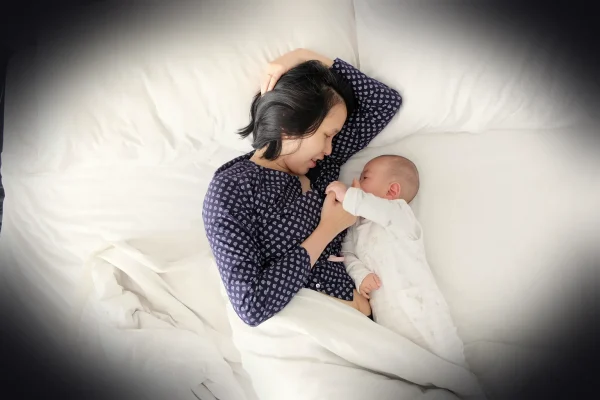
Postpartum skin changes often include unexpected breakouts as estrogen plummets and prolactin rises. Stress cortisol stimulates sebaceous activity and worsens acne — sleep, recovery, and stress management are not soft suggestions, they are biology.
When to see a dermatologist
See a board-certified dermatologist if: breakouts are leaving scars or persistent dark marks; you have painful, deep, cystic lesions; topical treatment has not improved things after 12 weeks of consistent use; or your cycle pattern is severe enough to disrupt confidence and quality of life. Treatments like spironolactone, oral contraceptives, isotretinoin, or hormonal evaluation can be life-changing.
Post-acne marks vs scars
Two different problems, two different timelines. Post-inflammatory hyperpigmentation (dark marks left after a breakout heals) fades on its own over three to twelve months, faster with azelaic acid, tretinoin, and daily SPF. True acne scarring (atrophic ice-pick, boxcar, or rolling scars; hypertrophic raised scars) does not fade on its own and needs in-office treatments: TCA cross for ice-pick, fractional laser or microneedling with radiofrequency for atrophic, and intralesional steroid for hypertrophic. Knowing which you have changes your strategy entirely, and treating post-inflammatory marks with the wrong protocol (aggressive lasers, harsh peels) often slows down their natural fade and creates new pigmentation problems.
Frequently asked questions
- How do I know if my acne is hormonal?
- Hormonal acne typically appears on the lower face u2014 jawline, chin, around the mouth, and neck u2014 and tracks your menstrual cycle, worsening in the week before your period. Lesions are often deep, painful, and cystic rather than surface whiteheads. If your breakouts follow this pattern and resist standard topical treatment, hormonal acne is likely. A dermatologist can confirm with history and exam.
- What is the best skincare routine for hormonal acne?
- Gentle cleanser, niacinamide serum, adapalene 0.1% or tretinoin 0.025% at night, azelaic acid 10-15% on alternate nights or mornings, and broad-spectrum SPF. Avoid harsh scrubs, alcohol-heavy toners, and over-cleansing. Be patient u2014 visible improvement takes 8-12 weeks. If scarring or cystic lesions appear, escalate to a dermatologist rather than adding more products.
- Does diet really affect hormonal acne?
- Yes, moderately. The strongest evidence implicates high-glycemic-index foods (sugar, white bread, sugary drinks) and skim or low-fat dairy. Whey protein supplements show similar effects. Cutting these does not cure hormonal acne but often reduces severity. Whole-fat dairy and full diets are less clearly linked. Don't overhaul your diet u2014 adjust the highest-impact items and see what changes over 8-12 weeks.
- Will spironolactone work for hormonal acne?
- For many women, dramatically yes. Spironolactone blocks androgen receptors in skin and consistently outperforms topicals for hormonal acne in randomized trials. It is prescription only, requires periodic blood work, and is contraindicated in pregnancy. Most patients see significant improvement at 50-100mg daily within three months. Talk to a dermatologist if topicals have not worked after three to four months.
- Can I get rid of hormonal acne without medication?
- Mild cases, sometimes. Consistent skincare (retinoid plus azelaic acid plus SPF), stress management, sleep, glycemic-controlled diet, and patience over six months can clear mild hormonal acne. Moderate to severe cases usually need internal treatment u2014 spironolactone, combined oral contraceptives, or for the most severe cases, isotretinoin. There is no shame in needing prescription support; the biology is hormonal.