The microbiome conversation has gotten loud and a little confused. Brands now claim microbiome-friendly formulas the way they once claimed paraben-free, and most of it is loose. So here is the practical version, organized around what actually changes how your skin behaves.
What the microbiome does, in plain language
Your skin surface is acidic (pH 4.5 to 5.5), oily, and salty, which sounds inhospitable until you realize it is exactly the environment that supports a healthy microbial mix. Cutibacterium acnes (yes, the one you blame for breakouts) is a normal resident in balanced ratios. Staphylococcus epidermidis produces antimicrobial peptides that protect against pathogens. Malassezia yeasts coexist quietly until something tips the system. When you strip the acid mantle with harsh cleansers, alcohol toners, or aggressive exfoliation, the resident strains lose ground and opportunists move in. That is the mechanism behind a lot of "my skin suddenly turned sensitive" stories.
How to actually support it (without buying everything)
Stop doing the destructive things first. Cleanse twice a day at most, with a pH-balanced cleanser (foaming or not, that is preference). Drop the alcohol-heavy toners. Exfoliate at most two to three times a week. Reduce fragrance, especially essential oils that are heavily antimicrobial by design. Then layer in the supportive ingredients.
Ingredients with actual microbiome evidence
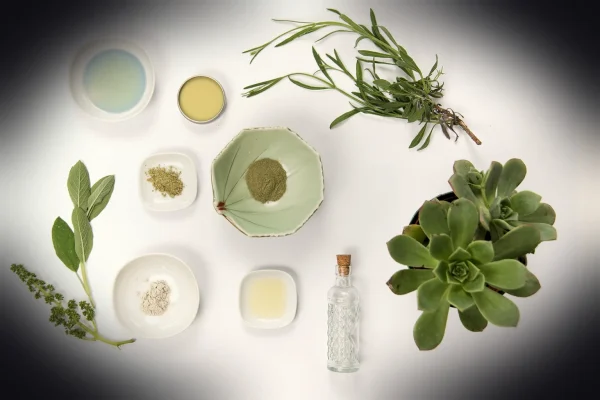
Centella, ceramides, panthenol, niacinamide, and prebiotics like inulin or alpha-glucan oligosaccharide all show up in the literature with reasonable evidence. Postbiotics (bacterial lysates and ferment filtrates) work through immune signaling and barrier support. Read our deeper explainers on the skin microbiome, the pre, pro, and postbiotic distinction, and our day-by-day 30-day microbiome resilience plan if you want to put it into practice. Centella, heartleaf, and mugwort are three plant extracts that consistently show up in routines designed around microbiome resilience.
The contrarian read
"Microbiome-friendly" is not the same as effective. You can build a microbiome-respectful routine that does nothing for your actual concerns, and you can build a clinically aggressive routine that supports the microbiome better than a gentle one (because removing reactive skin generally helps the colony). The mistake is treating microbiome as a constraint rather than a lens. The lens question is: does this ingredient or habit support the conditions under which a healthy microbial community lives, or does it tear them down? Most retinoids, used correctly, support the microbiome over the long run. Most fragrance-heavy "natural" oils undermine it.
Where products fit
One supportive serum is enough for most people. A microbiome-aware treatment in the morning, like Microbiome Glow Serum, sitting under sunscreen, will do more for daily resilience than a six-step microbiome stack. The night version is usually a postbiotic or ferment essence and a barrier-supportive moisturizer. If your skin is mid-flare, drop everything except cleanse, soothe, moisturize, protect.
The longer game
Microbiome care is the slowest-acting category in skincare. You will not see results in a week. The realistic timeline is six to eight weeks of consistent calm to see reduced reactivity, then three to six months for the resident community to stabilize enough that your skin tolerates introductions like retinol or stronger acids without drama. Our founder writes a bit about this slower posture in why I started Elelaf, which is essentially a microbiome-first design philosophy.
What microbiome care does not replace
It does not replace SPF, retinoids for photoaging, or prescription treatment for diagnosed dermatologic conditions. A healthy microbiome is the foundation on which the rest of the routine sits more comfortably, not a substitute for the rest of the routine. The mistake some people make after discovering microbiome thinking is dropping every active in pursuit of a maximally gentle setup. That tends to produce calm but unchanged skin. The better move is to use microbiome principles to make the active routine sustainable, not to remove the active routine. Calm plus active beats calm alone in the long run, provided the actives are properly introduced and properly supported.