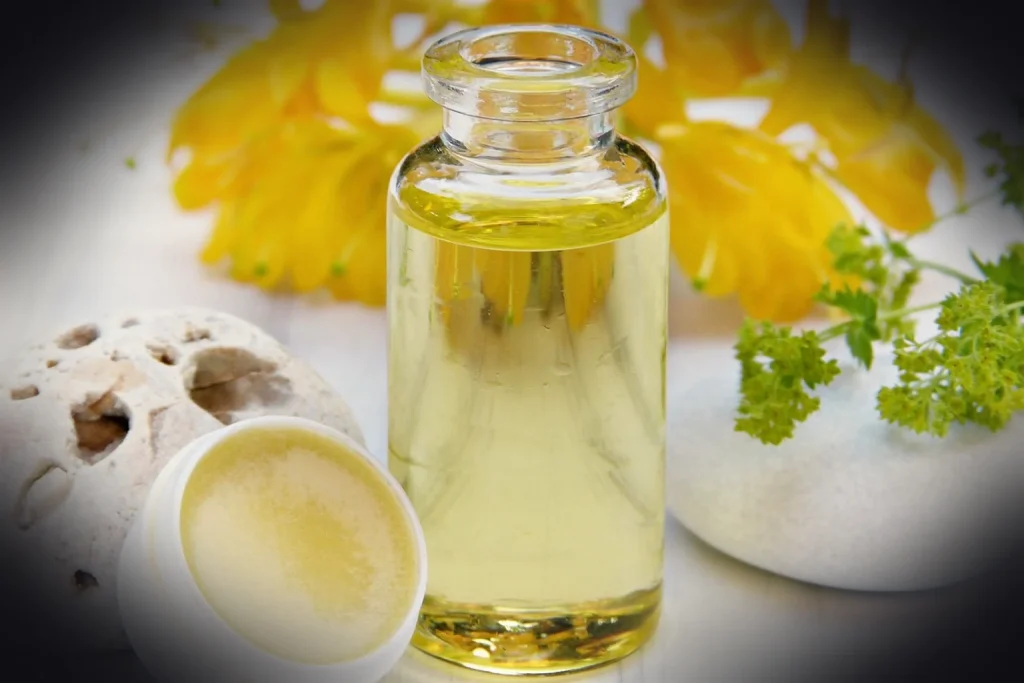
Balm cleansers and cream cleansers serve different cleansing needs through different mechanisms. Balm cleansers dissolve makeup and sebum through oil chemistry; cream cleansers emulsify surface compounds through gentle surfactant action. The decision matrix below identifies which format suits your skin type, makeup wear, and climate conditions.
Balm cleansers and cream cleansers represent two distinct cleansing approaches that address different needs through different mechanisms. The category confusion has produced widespread misuse where users apply balm cleansers in contexts where cream cleansers work better and vice versa.
The mechanism distinction: balm cleansers use oil chemistry to dissolve oil-soluble compounds (makeup, sebum, surface oils). Cream cleansers use mild surfactant emulsification to lift surface compounds without oil-based dissolution. Each suits different cleansing contexts.
What balm cleansers do
Balm cleansers are solid or semi-solid formulations containing primarily oils (often plant-derived: jojoba, sunflower, sesame, olive, coconut) plus emulsifiers that activate when water contacts the formulation.
The mechanism: oils dissolve oil-soluble compounds on skin surface — makeup, accumulated sebum, environmental oil-based residue. The emulsification step happens when water contacts the balm, allowing the dissolved compounds to rinse away.
Best for: heavy makeup removal, oily skin with significant sebum accumulation, evening cleansing after long days, double-cleanse first step.
Worst for: dry skin where additional oil isn’t needed, sensitive skin reactive to specific oils, climates with high humidity where heavy occlusion produces congestion.
What cream cleansers do
Cream cleansers are creamy emulsions containing mild surfactants (typically amino acid-based or sulfate-free), humectants, and barrier-supportive ingredients.
The mechanism: the cream emulsion lifts surface compounds through gentle surfactant action without aggressive lipid stripping. The humectant content provides hydration during the cleansing process.
Best for: dry skin, sensitive skin, mature skin, minimal makeup wear, morning cleansing, post-procedure recovery.
Worst for: heavy makeup removal (insufficient oil chemistry to dissolve makeup), very oily skin where additional moisture compounds congestion.
The climate consideration
Climate significantly affects optimal cleanser choice:
Hot humid climates: cream cleansers often work better. The additional moisture from balm cleansers can produce congestion in humid conditions.
Cold dry climates: balm cleansers often work better. The oil content supports the compromised barrier from dry winter conditions.
Temperate climates: either format works; choose based on skin type and makeup wear.
Air conditioning environments: cream cleansers often work better. The HVAC dehydration is amplified by oil-based cleansers in some users.
The seasonal adjustment makes sense: switch cleanser type with seasons in many users.
The skin type matrix
Oily skin: Cream cleanser morning, balm or oil cleanser evening if wearing makeup. The double-cleanse format works well for heavy makeup days.
Dry skin: Cream cleanser morning and evening for most days. Balm cleanser only for heavy makeup removal nights.
Combination skin: Cream cleanser morning and evening; balm cleanser as first step of double cleanse on makeup days.
Sensitive skin: Cream cleanser for both morning and evening. Balm cleanser only if specifically tolerated; many sensitive skin types react to oils.
Mature skin: Cream cleanser morning and evening. Balm cleanser as double-cleanse first step when wearing makeup.
Acne-prone skin: Cream cleanser morning. Avoid balm cleansers; the additional oil can produce congestion patterns.
Specific balm cleanser recommendations
Banila Co. Clean It Zero Cleansing Balm ($22). Korean balm cleanser, widely tested, suitable for most users wanting balm format.
Then I Met You Living Cleansing Balm ($38). Premium balm cleanser with specific olive oil emphasis.
Eve Lom Cleanser ($85). Premium balm cleanser, the original of the modern balm cleanser category.
Heimish All Clean Balm ($25). Korean balm cleanser with sensitive skin focus.
Boscia MakeUp-BreakUp Cool Cleansing Oil ($30). Hybrid oil cleanser that approaches balm category.
Specific cream cleanser recommendations
CeraVe Hydrating Cleanser ($15). Ceramide-rich cream cleanser, sulfate-free, widely tested.
La Roche-Posay Toleriane Hydrating Gentle Cleanser ($18). French pharmacy standard for sensitive skin.
Vanicream Gentle Facial Cleanser ($12). Fragrance-free, minimal ingredient cream cleanser.
Cetaphil Gentle Skin Cleanser ($14). Drugstore standard cream cleanser.
First Aid Beauty Pure Skin Face Cleanser ($24). Premium cream cleanser with antioxidant content.
The double-cleanse protocol
For users wearing makeup or heavy SPF:
Step 1: balm cleanser to dry skin. Massage thoroughly for 30-60 seconds to dissolve makeup and sebum. Emulsify with water; rinse.
Step 2: cream cleanser to damp skin. Brief lathering (15-20 seconds). Rinse with lukewarm water.
The double-cleanse takes 3-5 minutes and produces meaningfully better cleansing than either step alone for makeup wearers.
For users without makeup: single cream cleanser is sufficient. The double-cleanse adds steps without benefit.
The application technique
For balm cleansers:
Scoop pea-to-grape-sized amount with spatula or fingers.
Apply to dry skin. Don’t pre-wet — the balm needs to contact dry skin to activate properly.
Massage thoroughly for 30-60 seconds. The massage time is when the dissolution happens.
Add water to emulsify. The balm should turn milky as water contacts it.
Rinse thoroughly with lukewarm water.
For cream cleansers:
Pump-sized amount to wet face.
Lather briefly with circular motion for 15-20 seconds.
Rinse with lukewarm water.
Pat dry; apply subsequent products to damp skin.
The cumulative pattern
Users matching cleanser format to skin type and context show:
Better cleansing effectiveness without compromise.
Reduced barrier compromise from incompatible format use.
Less mid-day congestion patterns.
Better skin condition baseline over time.
The format matching is one of the highest-leverage routine optimization decisions for many users.
FAQ
Should I use a balm cleanser or cream cleanser? Depends on skin type, makeup wear, and climate. Cream cleanser for dry, sensitive, or mature skin. Balm cleanser for heavy makeup removal or oily skin in cold climates. Many users benefit from both — balm as double-cleanse first step, cream as second step.
What’s the best balm cleanser? Banila Co. Clean It Zero ($22) for most users. Heimish All Clean Balm ($25) for sensitive skin. Then I Met You Living Cleansing Balm ($38) for premium option. Eve Lom Cleanser ($85) for ultimate premium.
What’s the best cream cleanser? CeraVe Hydrating Cleanser ($15) for most users. La Roche-Posay Toleriane Hydrating ($18) for sensitive skin. Vanicream Gentle ($12) for multiple chemical sensitivities. Cetaphil Gentle ($14) for drugstore accessibility.
Can I use a balm cleanser if I have oily skin? Yes, particularly for makeup removal in cold climates. Pair with second-step cream cleanser to remove any residual oil. The double-cleanse format works for oily skin if matched to context.
Should I double cleanse? Yes if wearing makeup or heavy SPF. No if not wearing makeup. The double-cleanse adds value for makeup removal but creates unnecessary steps for users without makeup wear.
References
- Draelos ZD. The science behind skin care: cleansers. J Cosmet Dermatol. 2008. PubMed.
- Walters RM, Mao G, Gunn ET, Hornby S. Cleansing formulations that respect skin barrier integrity. Dermatol Res Pract. 2012. PubMed.
Have a question about “Balm vs cream cleanser: which format suits your skin and climate”?
Ask our editorial desk. Best questions become full follow-up articles, reviewed by our medical reviewer. No medical advice given in private — answers run as articles or not at all.