TL;DR
Pitera is the original. Galactomyces ferment filtrate is its more affordable cousin. Saccharomyces ferment lysate is the 2026 reframing, often paired with a postbiotic claim. The differences are real but smaller than the marketing makes them sound. What is genuinely new this year is the move toward fragment-defined lysates with published amino acid and beta-glucan profiles, not just essence-style filtrates.
SK-II’s Pitera story is the founding myth of fermented yeast in skincare. The legend is that researchers visited a sake brewery in the 1970s and noticed the brewers had remarkably soft hands. The brewer-hand observation has been retold in every department-store consult I have sat through. What that story rarely says is that Pitera (Galactomyces ferment filtrate, branded) is one of dozens of yeast ferments you can buy in 2026, and the active fragment profile of each one is meaningfully different from the next.
What is in a yeast ferment
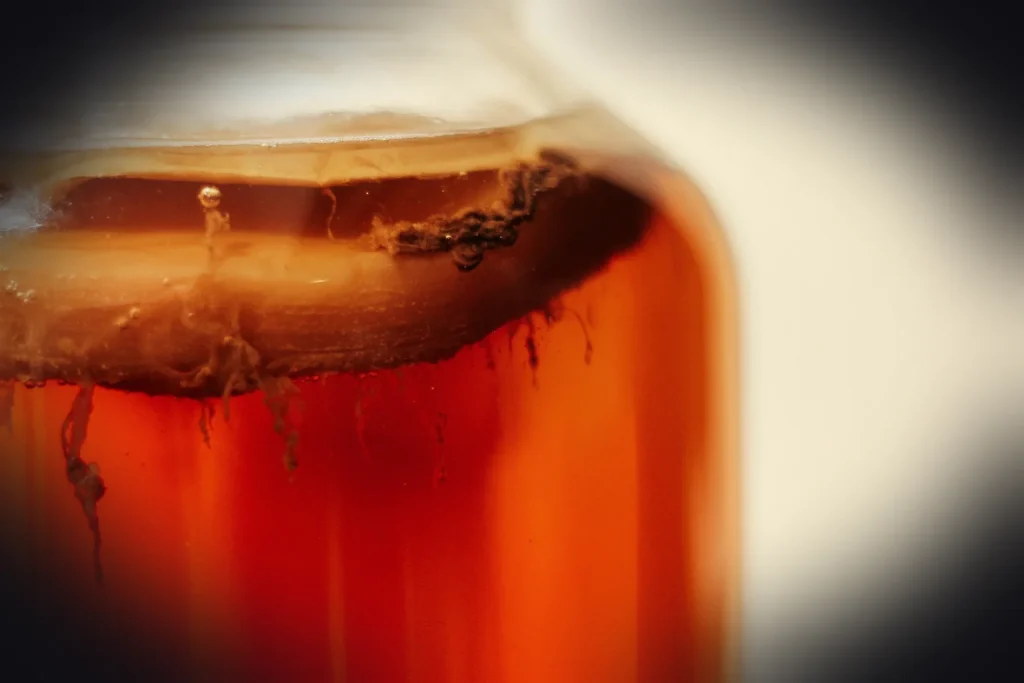
A typical filtrate contains amino acids, B vitamins, organic acids, beta-glucans, mannans and small peptides. The exact ratio depends on the strain (Galactomyces, Saccharomyces, Pichia), the medium it was fermented in, and how the broth was filtered. Pitera-grade filtrates are between five and ten percent in finished products. Cheaper ferments often sit at fractions of a percent and are doing more cultural work than skin work.
Pitera versus Galactomyces versus Saccharomyces
Pitera is a branded Galactomyces filtrate with decades of in-house clinical data behind it. The off-brand Galactomyces ferments you find in the K-beauty aisle are similar in family and variable in fragment profile. Saccharomyces ferment lysate is structurally a step further: the yeast cells are broken open, not just filtered, which releases more beta-glucans and short peptides. The 2026 launches I have read tend to lead with lysates because the fragment profile is more controllable.
The real new thing in 2026
The genuinely new development is fragment specification. Five years ago you bought “Galactomyces ferment filtrate” and trusted the brand. In 2026 the better launches publish the amino acid profile (which acids and in what concentration), the beta-glucan percentage, and sometimes the postbiotic short-chain fatty acid content. This is the same shift you are seeing in probiotic foods: less folklore, more specification. Microbiome Glow Serum sits in this category.
The contrarian read
Pitera is fine. It is a humectant with antioxidants and a story. Most of the brightening you attribute to it is the niacinamide, vitamin B5 and gentle exfoliating acids in adjacent products in the SK-II range, not the filtrate alone. If you have been using Pitera for fifteen years and your skin loves it, keep using it; switching costs are real and what works for your skin is the highest bar. What I would push back on is the idea that the 2026 ferment essences are doing something fundamentally different from a well-formulated niacinamide-and-panthenol serum at a fifth of the price.
The real numbers
The most cited public study on Galactomyces ferment is Bae et al., 2014, in the Journal of Cosmetic Dermatology, with measurable improvements in skin texture and brightness at 10% concentration over eight weeks. The Saccharomyces lysate literature is smaller but growing, with stronger in vitro data on barrier proteins and ceramide synthesis. The translation from in vitro to your face is partial, as always.
How to read a 2026 ferment label
Look for the percentage. Anything under one percent is decorative. Look for the strain (Galactomyces, Saccharomyces, Pichia) and whether the product is a filtrate or a lysate. Look for whether the brand publishes the beta-glucan or amino acid profile. The brands that do are the brands worth your money.
Where it fits in a routine
Morning toner or essence after cleansing, before the rest of your routine. Yeast ferments pair quietly with retinoid (use the ferment in the morning, the retinoid at night), with vitamin C, with niacinamide. Avoid stacking three different yeast ferments at once; the actives overlap and you are paying three times for similar work.
FAQ
Is Pitera worth the price? If it works for you and you can afford it, yes. If you are deciding from scratch, a 10% Galactomyces ferment from a careful K-beauty brand does similar work.
Filtrate or lysate? Lysate gives a different fragment profile, often with more beta-glucan. Filtrate is gentler and longer-tested.
Can I use it with retinoid? Yes, on the same day at different times. The acid content is mild.
Does it actually brighten? The texture improvement is more reliable than the pigmentation claim. Brightening is mostly perception of smoother light scatter, not pigment removal.
Is fermented yeast pregnancy-safe? Generally yes, but the brightening blends often contain niacinamide and arbutin; check the full ingredients list with your obstetrician.
Sources
- Bae JY et al. Galactomyces ferment filtrate and skin texture. Journal of Cosmetic Dermatology, 2014.
- NIH/PubMed entries on Saccharomyces lysate and barrier proteins.
- AAD overview content on fermented ingredients in topical care.
Related reading: engineered postbiotic lysates 2026, Microbiome Glow Serum overview, and plant exosomes audit.
Browse the microbiome tag for more.
Keep reading
References
- Kligman AM, Christensen MS. The biology of the stratum corneum revisited. Int J Cosmet Sci. 2011. PubMed.
- Draelos ZD. The science behind skin care: cleansers. J Cosmet Dermatol. 2008. PubMed.
Have a question about “Fermented yeast extract in 2026: Pitera, Galactomyces and what is actually new”?
Ask our editorial desk. Best questions become full follow-up articles, reviewed by our medical reviewer. No medical advice given in private — answers run as articles or not at all.