TL;DR
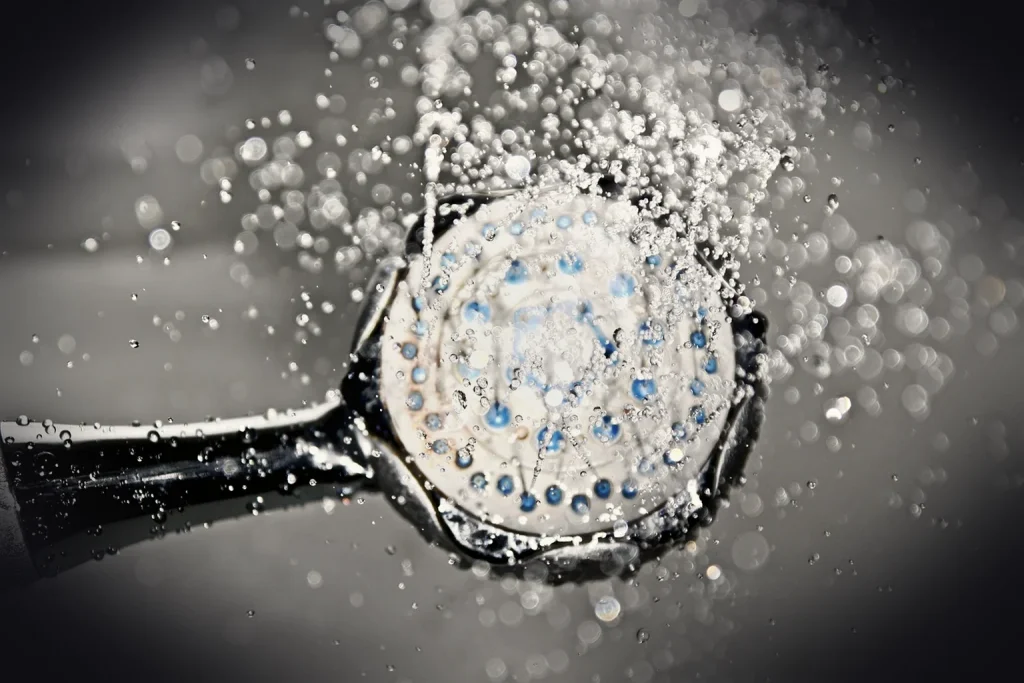
Your shower water is a daily microbial input. Municipal water carries low levels of Pseudomonas, Mycobacterium, and chlorine byproducts that can shift facial flora and irritate reactive barriers. The fix for most people is not an expensive filter. It is shorter, cooler showers, a final lukewarm rinse on the face, and a postbiotic morning step. Filters help if your municipal water tests high for chlorine or you live somewhere with known biofilm issues.
I underestimated shower water for years. It seemed like a fringe variable, the kind of thing wellness influencers worry about when they have run out of real concerns. Then I started looking at the water microbiology papers and the picture changed. Tap water is not a sterile blank. It is a real ecological input, and on faces with already-stressed barriers it matters.
What is actually in shower water
Treated municipal water is not bacteria-free. Treatment kills most pathogens, but a low background of Pseudomonas, Mycobacterium, Sphingomonas, and biofilm-forming species survives the journey through pipes and showerheads. Counts vary widely by region, building age, and how long water sits in your home pipes overnight.
On top of the live community, there are residuals. Chlorine and chloramines from disinfection, trace minerals that make water hard, and disinfection byproducts like trihalomethanes. None of these are at concentrations that pose acute health risk in a shower. They are at concentrations that can shift a sensitive face microbiome.
Why this matters for skin
Three things happen during a typical hot shower. The barrier loses some of its lipid envelope to the heat and surfactant. The skin pH rises briefly. And the surface community gets a fresh microbial deposition from the water. On a healthy face with good barrier function, the resident microbes outcompete the deposited ones quickly and the morning routine carries you back to baseline. On an already-compromised barrier, the water deposit lingers longer and the chemistry is harsher.
The clinical correlate is real. People who switch to cooler, shorter showers often report less facial reactivity within two to three weeks. People who install filters in regions with high chlorine residuals often report similar improvement. The microbiome is reading these inputs whether we want it to or not.
What helps
Start with what is free. Shorter showers, around eight minutes instead of fifteen. Cooler water, particularly for the final face rinse. Avoid letting the showerhead spray directly at your face for the duration. Use a clean washcloth or a gentle splash with hands rather than a direct hot spray.
If you live in an area with known chlorine-heavy treatment or older plumbing, a basic shower filter with a KDF or activated carbon stage will reduce chlorine and some heavy metals. The expensive multi-stage ones do not usually outperform the basic ones for facial skin purposes. Replace the cartridge on schedule. An unmaintained filter is worse than no filter.
Topically, the morning step matters. A gentle cleanse with a low-pH product followed by a barrier-supportive moisturizer gives the resident microbes the chemistry they prefer. A postbiotic layer in the morning helps the community recover from the shower’s deposition faster.
The contrarian bit: most expensive filters do not earn their keep
The four-stage vitamin C filters and the bioceramic-bead filters sell on impressive lab numbers that do not translate to facial outcomes. A simple carbon-KDF unit handles chlorine, which is the main facial irritant in most municipal supplies. The hard water angle is real, but a softener is a different appliance and not a shower filter. Spend the money you saved on shorter showers and a decent ceramide moisturizer.
When to see a dermatologist
If you develop a new rash specifically after showering, especially red bumpy folliculitis-pattern eruptions on the chest, back, or jaw, see a dermatologist. Pseudomonas hot tub folliculitis is a real diagnosis with a similar pattern. Eczema flares that track to shower water, persistent rosacea-pattern redness after hot showers, and any rash that follows travel to a new water supply also warrant evaluation. Some of these are infection rather than microbiome shift, and the treatment is different.
The real numbers
A 2018 study in mBio by Gebert and colleagues sampled showerhead biofilms from 656 homes across the US and Europe. They identified Mycobacterium as the dominant genus in many showerheads, with significant geographic variation in counts. Chlorinated municipal supplies actually showed higher Mycobacterium abundance than non-chlorinated supplies, because chlorine kills the competing flora and leaves chlorine-tolerant species more room. The clinical implications for skin are still being worked out, but the input is unambiguously real.
FAQ
Does hard water cause acne? It does not cause it, but it can worsen barrier disruption that secondarily makes acne harder to control.
Are filtered showerheads worth it? For chlorine-heavy supplies, yes, in the $30 to $80 range. Beyond that, returns diminish.
Should I rinse my face with bottled water? Excessive. A cool final tap rinse is fine for the vast majority of skin.
How do I know if my water is the problem? Travel test. If your skin reliably improves on trips and worsens at home, water is a candidate. Otherwise probably not.
What about well water? Different microbial profile, often higher minerals and sometimes higher iron. Test the water if skin issues coincide with a move to well water.
See our barrier repair guide for the morning recovery routine and indoor air quality for the other invisible input. Tag hub: barrier damage.
Sources
Gebert MJ et al. Ecological analyses of mycobacteria in showerhead biofilms. mBio, 2018. Hewitt KM et al. Bacterial diversity in two neonatal intensive care units. PLOS One, 2013.
Keep reading
References
- Madison KC. Barrier function of the skin. J Invest Dermatol. 2003. PubMed.
- Elias PM. Skin barrier function. Curr Allergy Asthma Rep. 2008. PubMed.
Have a question about “Does Your Shower Water Reshape Your Skin Microbiome Daily?”?
Ask our editorial desk. Best questions become full follow-up articles, reviewed by our medical reviewer. No medical advice given in private — answers run as articles or not at all.