
Ingredients
The vitamin E pH stability myth: why it is sturdier than you were told
Vitamin E (tocopherol) does not collapse at low pH the way many guides claim. Here is what stability data actually shows in…
We use cookies to count readers (Google Analytics) and to send you our newsletter (Klaviyo, if you sign up). Nothing is sold. Read our privacy notice.

Vitamin E (tocopherol) does not collapse at low pH the way many guides claim. Here is what stability data actually shows in…

Copper peptides and vitamin C can theoretically interact but rarely do in finished formulas. Here is what the chemistry actually shows in…
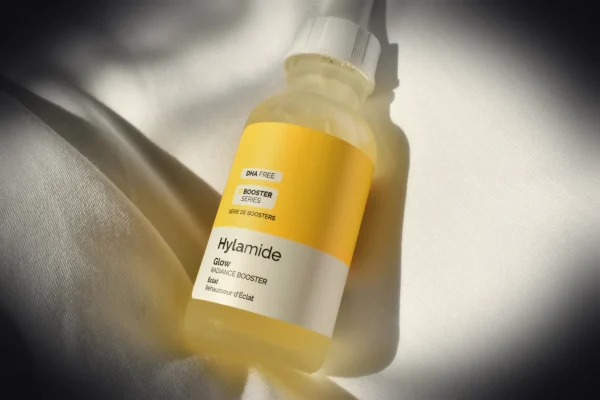
Glycolic acid does not destroy vitamin C on contact. Here is what stability research and pH compatibility actually show about safely pairing…
Ceramides do not block retinol, vitamin C, or AHA penetration. Here is how to layer barrier repair with actives, and what the…

Face oil does not cancel hyaluronic acid below it. Here is how the two molecules actually interact at the stratum corneum and…

Oil applied over a humectant does not seal water out. Here is how skin penetration actually works, and what thinnest to thickest…

Layering makeup over sunscreen does not destroy its SPF if you give it time to set. Here is what film-formation research says…

Layering retinol with AHA does not destroy your barrier if pH and frequency are right. Here is what dermatology research actually shows…
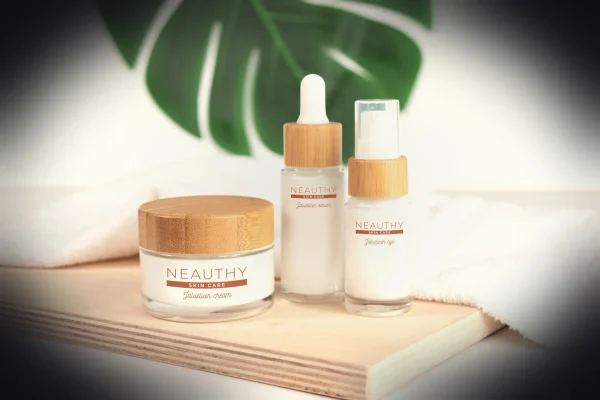
The 1960s study that started the vitamin C niacinamide myth used industrial concentrations. Modern formulas behave very differently. Here is the full…

AHAs and BHAs feel different in summer because skin temperature, sweat pH, and barrier hydration all shift. Adapt your acid cadence to…