Slugging on damaged barrier vs occlusive layering: when each one helps
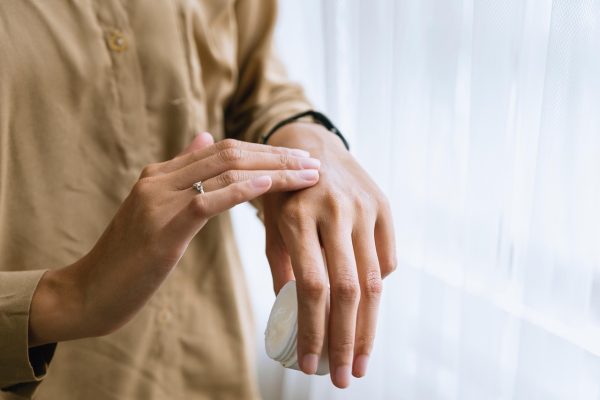
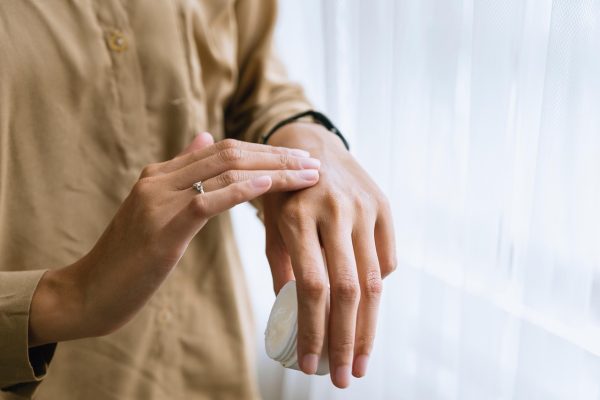
TL;DR: Slugging works for some damaged barriers and makes others worse. Occlusive layering is the gentler middle path that gets less attention…
We use cookies to count readers (Google Analytics) and to send you our newsletter (Klaviyo, if you sign up). Nothing is sold. Read our privacy notice.

TL;DR: Slugging works for some damaged barriers and makes others worse. Occlusive layering is the gentler middle path that gets less attention…


TL;DR: I have spent eighteen months trying to find a regulatory or chemistry-based definition that distinguishes a serum from an ampoule from…

TL;DR: Probiotic skincare puts live or inactivated bacteria into a cream. Prebiotic skincare puts a sugar that feeds your existing bacteria into…

TL;DR: The yellowy spikes that come off a pore strip are not blackheads. Tanghetti 2014 and Jansen 2018 spelled this out at…

TL;DR: PDRN has reasonable clinical evidence as an injectable for wound healing and tissue repair. The topical PDRN serums that flooded Korean…

TL;DR: The FDA’s current position, last reaffirmed in their Cosmetics Constituent Guidance and the 2022 modernization rules, is that the parabens approved…

TL;DR: If your moisturizer pills, separates, or beads up after an essence layer, the cause is almost always an emulsion-destabilizing interaction at…

TL;DR: Most layering pairs in skincare are folklore. The niacinamide plus retinoid stack is one of the few combinations with published clinical…

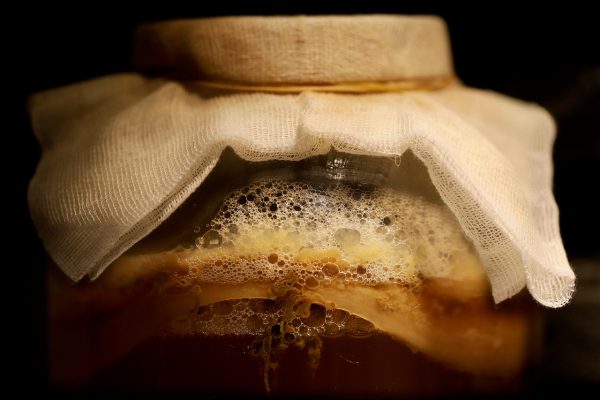
TL;DR: Korean fermentation in skincare is a specific manufacturing tradition with measurable downstream effects on ingredient profile. Western brands have started using…

TL;DR: The standard pigmentation protocol was developed on Fitzpatrick II-III skin and routinely fails on V-VI. The active that works for a…