
Ingredients
Silicones decoded: why the ‘suffocating’ label was always wrong
Silicones do not suffocate skin. Here is the molecular reality, the cases where they actually do harm, and how to read silicone…
We use cookies to count readers (Google Analytics) and to send you our newsletter (Klaviyo, if you sign up). Nothing is sold. Read our privacy notice.
Category
Know exactly what's in the bottle and why it matters.
Quick answer
The Ingredients library is the most thorough English-language reference for skincare actives we know how to build. Each entry breaks down what an ingredient is, the mechanism by which it works, the clinical evidence behind it, who should and shouldn't use it, and how to layer it without canceling other actives.
Retinol, retinal, tretinoin, bakuchiol — every option, decoded.
Every form of vitamin C — LAA, SAP, MAP, THD, glucoside.
The all-rounder vitamin B3, properly explained.
Signal, carrier, neuropeptides — and which actually work.
The exfoliant family from gentlest to strongest.
Hyaluronic acid, glycerin, polyglutamic acid, beta-glucan.
Barrier-repair lipids the skin actually uses.
Pre/pro/postbiotics, ferments, and biome-friendly botanicals.
PDRN, exosomes, EGF, snail mucin, propolis, galactomyces.
Mineral, chemical, and what's actually FDA-approved in the US.
Silicones do not suffocate skin. Here is the molecular reality, the cases where they actually do harm, and how to read silicone…

Madagascar wild-harvest centella has a different asiaticoside ratio than Korean cultivated supply. How sourcing alters the soothing profile of a product.

Bakuchiol from India and Nepal carries different seed-oil profiles and different traceability records. A sourcing audit and what we use in future…

Pure L-ascorbic acid goes amber within weeks. A week-by-week visual timeline showing what color actually means and when to stop using your…

Retinaldehyde, retinol, and granactive retinoid degrade at very different speeds. How form, packaging, and pH interact across a full one-year stability test.

Most cold-pressed claims fail audit. How rosehip oil is actually extracted, why Chilean and Bulgarian sources differ, and what to look for…

Honey is not automatically ethical; propolis varies widely. A welfare audit of bee-derived skincare ingredients and how to read sourcing transparency well.
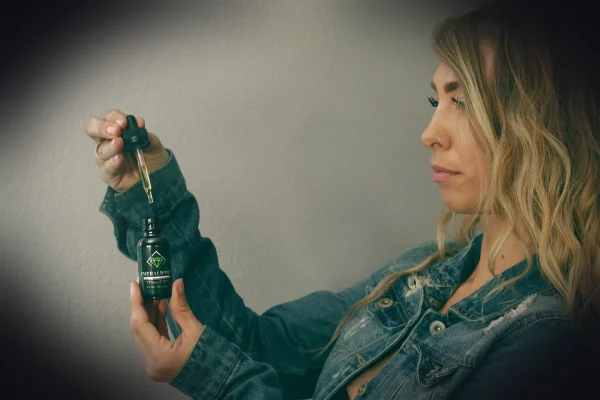
A dropper invites oxygen with every use. How airless pumps, tubes, and vacuum vials change actual ingredient potency across a 90-day shelf-life…

A skincare fridge helps four ingredient classes and ruins three others. The evidence-based shortlist of what should chill and what stays room…

Oxidation is invisible at first and irreversible later. What changes molecularly in serums, which ingredients fail first, and how to slow the…
Modern skincare is an ingredient game. Brand names matter less than the molecules inside the bottle, and the brands that succeed are the ones that explain those molecules honestly. The Ingredients library exists because nobody else is doing this work at the depth and clarity it deserves.
Ten subcategories cover the whole field: Retinoids & Bakuchiol (the cell-turnover family), Vitamin C (every form, from L-ascorbic acid to ascorbyl glucoside), Niacinamide, Peptides, Acids (AHA, BHA, PHA), Hydrators (hyaluronic acid, glycerin, polyglutamic acid), Ceramides & Lipids, Microbiome Ingredients (pre/pro/postbiotics, ferments), Korean & Biotech Actives (PDRN, exosomes, snail mucin), and Sunscreen Filters.
Every entry follows the same structure. A 60–90 word quick-answer up top so you can leave with the key facts in 30 seconds. Then the science, in plain English. Then the clinical evidence, with citations and publication dates so you can verify. Pairing rules, side effects, who should avoid, recommended concentrations, and which forms are FDA-approved in the US.
Elelaf is FDA-approved and manufactured in South Korea — the world's most innovative skincare lab ecosystem. We pay close attention to which ingredients are approved where, and which are still under regulatory review (looking at you, exosomes). Our ingredient pages will always tell you the regulatory status, not just the marketing claim.