
Ingredients
Does Bakuchiol Work as Well as Retinol? The Comparative Studies Decoded
The one 12-week study everyone cites isn't enough on its own. Here is a fair read of bakuchiol's effect size, who it…
We use cookies to count readers (Google Analytics) and to send you our newsletter (Klaviyo, if you sign up). Nothing is sold. Read our privacy notice.
Category
Know exactly what's in the bottle and why it matters.
Quick answer
The Ingredients library is the most thorough English-language reference for skincare actives we know how to build. Each entry breaks down what an ingredient is, the mechanism by which it works, the clinical evidence behind it, who should and shouldn't use it, and how to layer it without canceling other actives.
Retinol, retinal, tretinoin, bakuchiol — every option, decoded.
Every form of vitamin C — LAA, SAP, MAP, THD, glucoside.
The all-rounder vitamin B3, properly explained.
Signal, carrier, neuropeptides — and which actually work.
The exfoliant family from gentlest to strongest.
Hyaluronic acid, glycerin, polyglutamic acid, beta-glucan.
Barrier-repair lipids the skin actually uses.
Pre/pro/postbiotics, ferments, and biome-friendly botanicals.
PDRN, exosomes, EGF, snail mucin, propolis, galactomyces.
Mineral, chemical, and what's actually FDA-approved in the US.
The one 12-week study everyone cites isn't enough on its own. Here is a fair read of bakuchiol's effect size, who it…

Cica is in everything, but the redness-reducing claim hangs on a small body of work. Here is what each compound (madecassoside, asiaticoside)…
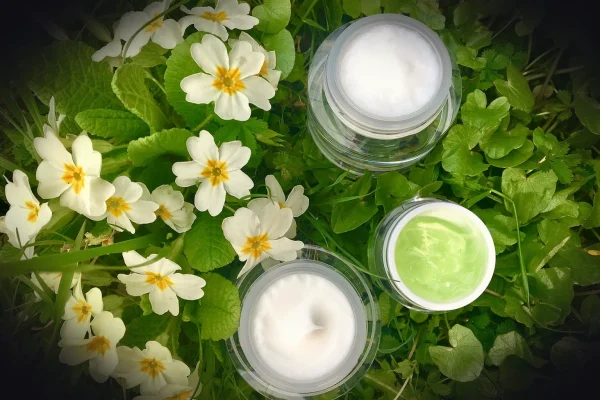
Peptides keep getting marketed as retinol replacements. They are useful, but they are not doing the same job. Here is what each…

Azelaic acid is the dermatologist quiet favourite for PIH on deeper skin tones. Here is the tyrosinase pathway it targets and the…
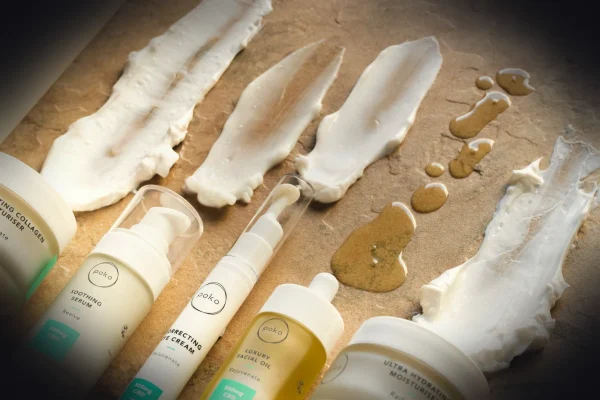
Salicylic, benzoyl peroxide, and AHAs can all damage textiles silently. Here is which actives stain pillowcases, towels, and dark hair, and what…
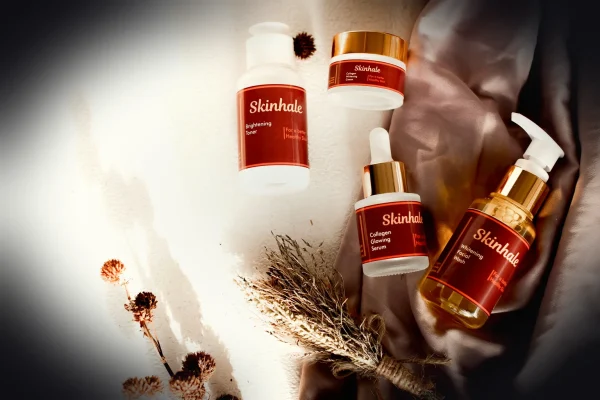
The viral claim that HA dehydrates you from the inside is partly true and mostly misunderstood. Here is the molecular weight, climate,…
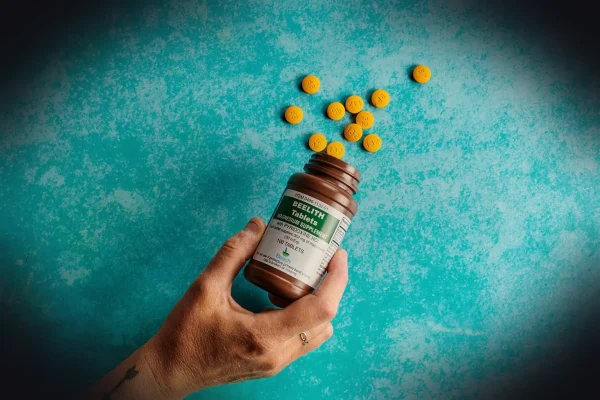
Vitamin C doesn't purge like retinoids do. Most early reactions are irritation, oxidation byproducts, or pH issues. Here is how to tell…

The retinol-thins-skin claim won't die. Here is why it confuses two layers, what actually thickens, and the one population who should genuinely…

Niacinamide is famous for pore-minimising claims. We dig into what the studies measured, how long it takes, and what changes you can…
Phytosphingosine is a ceramide precursor your skin uses to rebuild barrier; here's where it actually appears and why it deserves attention for…
Modern skincare is an ingredient game. Brand names matter less than the molecules inside the bottle, and the brands that succeed are the ones that explain those molecules honestly. The Ingredients library exists because nobody else is doing this work at the depth and clarity it deserves.
Ten subcategories cover the whole field: Retinoids & Bakuchiol (the cell-turnover family), Vitamin C (every form, from L-ascorbic acid to ascorbyl glucoside), Niacinamide, Peptides, Acids (AHA, BHA, PHA), Hydrators (hyaluronic acid, glycerin, polyglutamic acid), Ceramides & Lipids, Microbiome Ingredients (pre/pro/postbiotics, ferments), Korean & Biotech Actives (PDRN, exosomes, snail mucin), and Sunscreen Filters.
Every entry follows the same structure. A 60–90 word quick-answer up top so you can leave with the key facts in 30 seconds. Then the science, in plain English. Then the clinical evidence, with citations and publication dates so you can verify. Pairing rules, side effects, who should avoid, recommended concentrations, and which forms are FDA-approved in the US.
Elelaf is FDA-approved and manufactured in South Korea — the world's most innovative skincare lab ecosystem. We pay close attention to which ingredients are approved where, and which are still under regulatory review (looking at you, exosomes). Our ingredient pages will always tell you the regulatory status, not just the marketing claim.