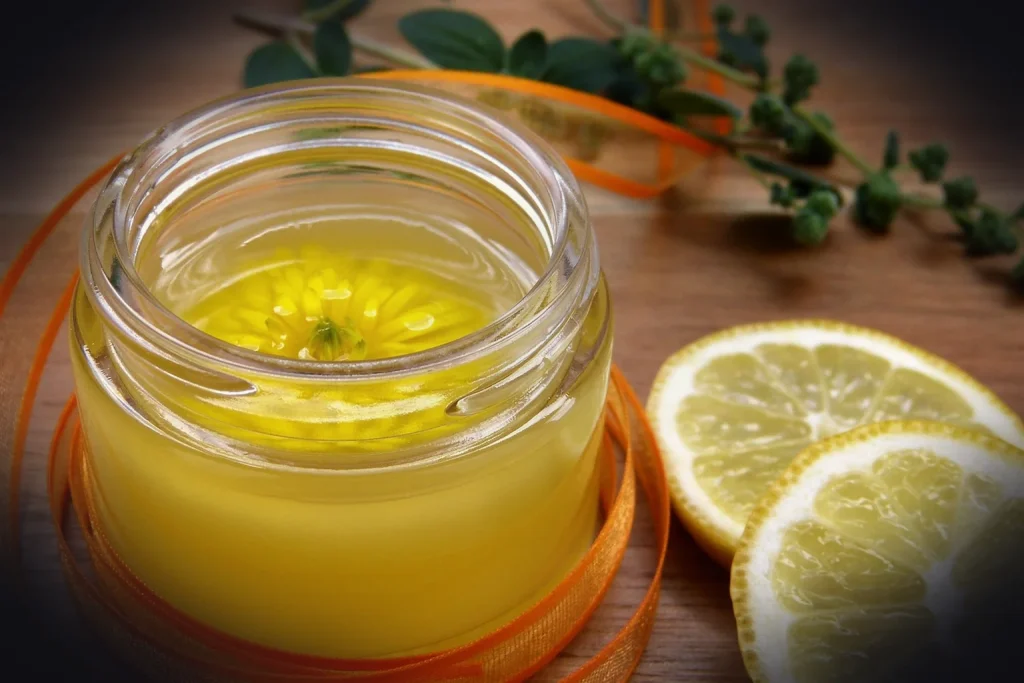
TL;DR: Jojoba isn't actually an oil. It's a liquid wax structurally close enough to your skin's own sebum that even oily skin tolerates it. That's why it works where most oils don't.
Quick answer
Jojoba (Simmondsia chinensis) is a liquid wax extracted from jojoba seeds. Structurally, it’s almost identical to human sebum — which is why it’s tolerated across skin types in a way most plant oils aren’t. Non-comedogenic, mildly anti-inflammatory, modestly antibacterial, rich in vitamin E. It works for oily skin (helps regulate sebum), dry skin (mimics natural lipids), sensitive skin (gentle), and acne-prone skin (low irritation risk, doesn’t clog). One of the most universally usable facial oils.
Why jojoba is unusual
Most plant oils are triglycerides — three fatty acids attached to glycerol. They’re heavy, slow-absorbing, sometimes comedogenic (coconut oil is the famous offender), and feel oily on skin.
Jojoba is a wax ester. A completely different chemical structure that mimics human sebum, doesn’t go rancid easily, isn’t comedogenic for most people, penetrates without heavy residue, and signals your skin’s “I have enough oil” feedback loop in a way other oils don’t.
This is the reason it works where other oils don’t. Your skin doesn’t read jojoba as foreign extra oil. It reads it as familiar.
What it actually does
Sebum regulation. For oily skin, jojoba’s similarity to natural sebum can signal the skin to produce less compensatory oil. Counter-intuitive but well-documented.
Barrier support. It mimics the lipid layer your skin builds for itself.
Anti-inflammatory. Soothes irritation and inflammation modestly.
Mild antibacterial. Some documented activity against acne-causing bacteria.
Antioxidant. Rich in vitamin E and tocopherols.
Carrier for actives. Penetrates well, often used as a base for other ingredients in formulated products.
Who it suits
Strong fits: oily skin (the sebum-regulation effect is real), combination skin, acne-prone skin (anti-inflammatory plus non-comedogenic), sensitive skin (gentle, well-tolerated), dry skin (barrier mimicry plus moisture), mature skin (vitamin E and tocopherols).
Less ideal: very oily skin in humid climates (sometimes heavier than needed), specific allergies (rare but possible), active fungal acne (oils can feed Malassezia, though jojoba is among the better-tolerated choices).
How to use it
As a final layer over moisturizer. Two or three drops warmed between fingertips, pressed onto skin after moisturizer. Lightweight enough not to feel greasy. Excellent at night.
As a cleansing oil. Apply to dry skin, massage gently, add water to emulsify, rinse off. Removes makeup and SPF effectively.
As a carrier oil for DIY. Mix with essential oils carefully (with caution on the face). Mix with oil-soluble vitamin C derivatives like THD. Found in many formulated products.
Pre-shave. Smooths skin, reduces razor irritation.
For lips, hands, body. Versatile enough for all of them.
Concentration and where to find it
Pure jojoba is widely available — Desert Essence, Cliganic, Pura D’or. About $10–15 for 4 oz; lasts six months or more for face use.
In formulated products, jojoba appears at 5–30% in cleansing oils, facial oils, some serums, eye creams, and body oils.
Common mistakes
Treating all oils as interchangeable. Coconut oil is comedogenic for many people. Jojoba isn’t. The oil matters.
Skipping jojoba because oil-based products scare you. Jojoba is uniquely lightweight and tolerated.
Buying refined jojoba (colorless) instead of cold-pressed virgin (golden). The refined version loses some vitamin E and beneficial compounds.
Using too much. Two or three drops is plenty for the face. Excess sits on the surface.
Ignoring quality differences. USDA-organic, cold-pressed, golden-colored jojoba is the highest quality.
Pairing with other actives
Pairs with niacinamide, hyaluronic acid, peptides, centella, most actives.
Use carefully with pure retinoids (jojoba can extend their absorption — useful for some, irritating for others) and strong AHAs (oils slow absorption, which is sometimes the point and sometimes not).
Genuinely avoid combining with: not much. Jojoba is unusually friendly.
Jojoba vs other facial oils
Jojoba is the most universal because of the sebum mimicry. Squalane is very lightweight, non-greasy, often paired with jojoba in formulas. Marula is higher in antioxidants and richer in texture. Rosehip is vitamin C-rich but oxidizes quickly, so it’s better for specific concerns and short shelf life. Argan is heavier, better for body and hair than face. Coconut is highly comedogenic for most faces, better used on body.
For face skincare, jojoba and squalane are the top universal choices.
Where jojoba quietly shines
A drop of jojoba mixed with foundation can extend the product, reduce dryness, and improve glide.
In winter, it adds barrier support without sitting heavy.
After shaving, it soothes razor irritation.
For ingrown hairs, the anti-inflammatory plus mild antibacterial combination helps.
For dry hands, quick absorption, not greasy.
For lip dryness, it’s an effective lip oil.
A few myths
“All oils break out acne-prone skin.” Not jojoba. The sebum-mimicking action makes it friendlier to acne-prone skin than almost any other oil.
“You need fancy expensive oils for results.” Jojoba at $12 a bottle outperforms many premium oil blends.
“Jojoba is greasy.” Lighter than coconut, almond, or most plant oils. Not greasy when used in appropriate amounts.
“It causes breakouts because it’s an oil.” Most reactions are to other ingredients in formulations or to over-application of pure oil.
FAQ
Is jojoba safe during pregnancy? Yes. Topically very safe.
Will it clog my pores? Jojoba has among the lowest comedogenic ratings of any oil. Reactions are uncommon.
Cold-pressed or refined? Cold-pressed, virgin (golden). Refined (colorless) loses some compounds.
Can I use jojoba on my hair? Yes — modest benefits for dry ends. Don’t overdo it on roots.
How does it compare to argan oil? Jojoba is lighter and more universally tolerated. Argan is richer, more vitamin E, often preferred for body use.
Sources
Pazyar N et al. Jojoba in dermatology: a succinct review. Italian Journal of Dermatology and Venereology, 2013. Patzelt A et al. Skin penetration of oils: jojoba as a comparative case. Journal of Cosmetic Science, 2012.
Tool: ingrown hair prevention — by hair type and removal method.
Keep reading
Keep reading
References
- Madison KC. Barrier function of the skin. J Invest Dermatol. 2003. PubMed.
- Elias PM. Skin barrier function. Curr Allergy Asthma Rep. 2008. PubMed.
Have a question about “Jojoba oil: the not-actually-an-oil that works for almost everyone”?
Ask our editorial desk. Best questions become full follow-up articles, reviewed by our medical reviewer. No medical advice given in private — answers run as articles or not at all.