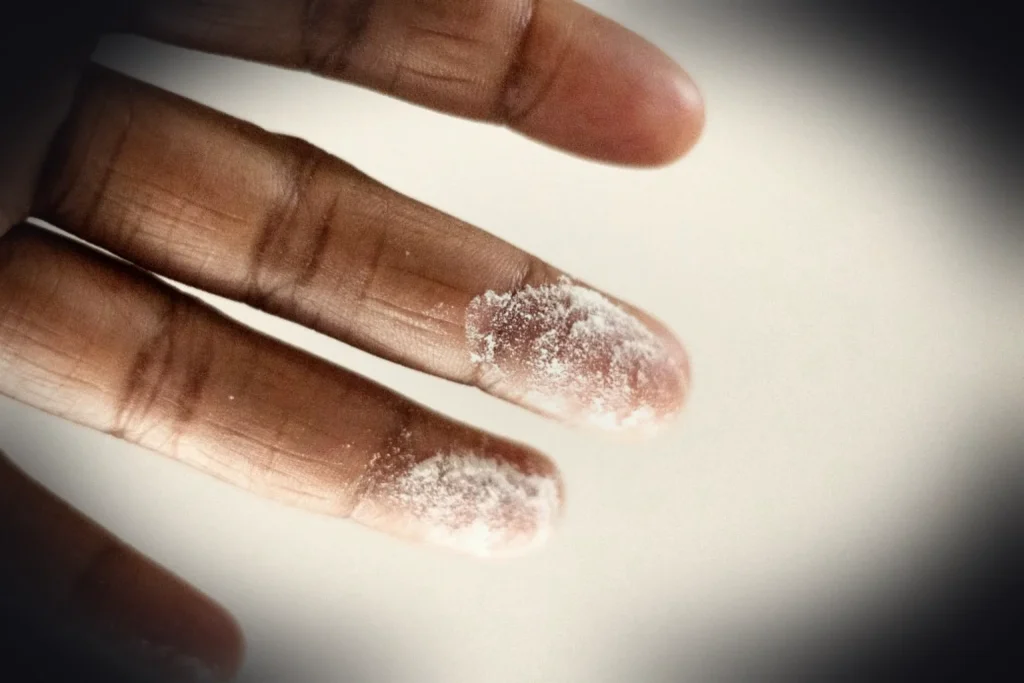
Eczema flares produce significant skin microbiome disruption. The post-flare recovery window is the most important time for microbiome support — the bacterial population is rebuilding, and appropriate intervention accelerates the recovery while inappropriate intervention triggers the next flare. The protocol below addresses post-flare microbiome reconstruction.
Eczema flares produce substantial skin microbiome disruption alongside the visible skin compromise. Staphylococcus aureus colonization increases during flares, beneficial bacterial populations decrease, and the overall microbiome diversity reduces. The post-flare recovery window — typically 2-6 weeks — is when the microbiome rebuilds.
The intervention during this window matters significantly. Appropriate microbiome support accelerates recovery; aggressive intervention triggers the next flare cycle.
The post-flare protocol
Weeks 1-2 post-flare: minimal intervention. Gentle cleansing, ceramide moisturizer, mineral SPF. Skip all actives.
Weeks 3-4: introduce postbiotic-containing essence. Lactobacillus or bifida ferment products support microbiome reconstruction.
Weeks 5-6: gentle active reintroduction if tolerated. Niacinamide first; skip retinoids until microbiome fully stabilized.
Beyond week 6: standard maintenance routine.
Specific product choices
Cleanser: amino acid-based (COSRX Low-pH, Hada Labo Gokujyun) or oil cleanser for severe presentations.
Moisturizer: La Roche-Posay Lipikar Baume AP+ M (designed for atopic-prone skin) or CeraVe Moisturizing Cream.
Essence: COSRX Advanced Snail 96 Mucin Power Essence or specific lactobacillus ferment-containing products.
SPF: mineral, fragrance-free (EltaMD UV Clear, La Roche-Posay Anthelios Mineral).
What to avoid post-flare
Aggressive cleansers, fragrance-containing products, alcohol toners, daily retinoid use, any active ingredients during the first 2 weeks.
Hot water bathing, prolonged showering, harsh fabrics in clothing.
New product experimentation during the recovery window.
FAQ
How do I recover from an eczema flare? Minimal intervention for 2 weeks, postbiotic support weeks 3-4, gradual active reintroduction weeks 5-6. The patience-focused approach produces better outcomes than aggressive recovery treatment.
Does microbiome care help eczema? Yes, particularly for post-flare recovery. Postbiotic ingredients support the bacterial population rebuilding. Microbiome stabilization reduces flare frequency over time.
What’s the best skincare for eczema? Ceramide-forward moisturizer (La Roche-Posay Lipikar Baume AP+ M), gentle cleanser, mineral SPF. Add postbiotic essence for microbiome support. Skip fragrances, harsh actives, and aggressive cleansing.
Can I use retinol if I have eczema? Generally no during active flares or recent recovery. Skip for at least 4-6 weeks post-flare. Reintroduce gentle retinoid (retinaldehyde 0.05%) at low frequency once stable.
How long does eczema recovery take? Visible improvement 2-4 weeks. Full microbiome restoration 8-12 weeks. Long-term flare reduction with sustained microbiome support over months.
Related: Staphylococcus aureus and atopic skin: the bacterial driver of eczema flares, and Skincare During an Autoimmune Flare (Lupus, Psoriasis, Eczema).
References
- Eichenfield LF, Tom WL, Chamlin SL, et al.. Guidelines of care for the management of atopic dermatitis. J Am Acad Dermatol. 2014. PubMed.
- Grice EA, Segre JA. The skin microbiome. Nat Rev Microbiol. 2011. PubMed.
Frequently asked questions
When is the microbiome recovery window most important?
Days 3 to 21 after visible skin has calmed. The bacterial population is actively rebuilding in this window, and what you apply now determines whether the recovery is stable or triggers the next flare. Intervention before day three is too early — skin is still acutely inflamed; after day 21 the microbiome has settled into whatever pattern you gave it.
Should I use probiotic skincare products during recovery?
Postbiotic ferments (lactobacillus ferment lysate, bifida ferment lysate) are the safer option than live probiotics. Ferment lysates are stable, do not require refrigeration, and deliver the metabolites that support Staphylococcus epidermidis without introducing viable organisms your compromised barrier cannot manage. Live probiotic claims in skincare are largely marketing.
What ingredients should I avoid in the recovery window?
Fragrance, essential oils, drying alcohols, physical exfoliants, and anything with a pH below 4 or above 6. All of these disrupt the beneficial bacteria you are trying to restore. Save actives (vitamin C, glycolic, retinol) until at least four weeks past the flare.
How long until the microbiome fully recovers?
Skin microbiome diversity typically takes eight to twelve weeks to return to pre-flare baseline in adults, longer in children and older adults. This is why a single flare that visibly resolves in a week can still leave skin reactive for months. Consistent gentle care through the full recovery timeline is what prevents chronic flare cycling.
Does diet affect the skin microbiome?
Indirectly. The gut microbiome and skin microbiome communicate through immune signaling, so fiber-rich food and fermented food that support gut diversity have modest downstream benefit for skin flora. But diet is not a substitute for topical care during active recovery.
Have a question about “Microbiome skincare and eczema: rebuilding flora after a flare”?
Ask our editorial desk. Best questions become full follow-up articles, reviewed by our medical reviewer. No medical advice given in private — answers run as articles or not at all.