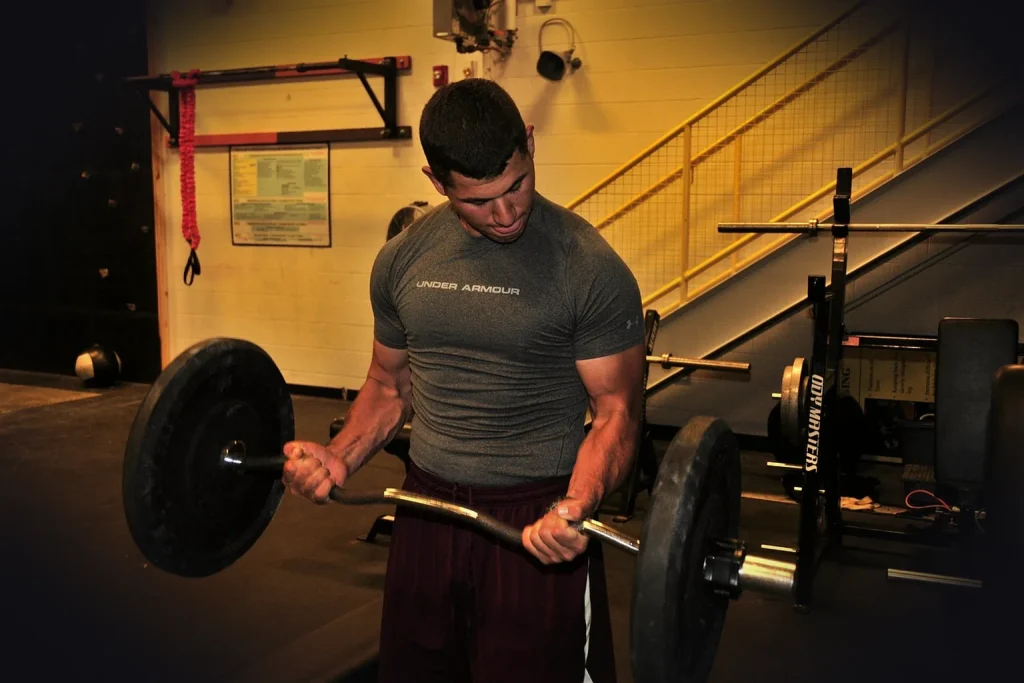
The gym-acne story is one of the more confusing intersections in skincare. People who work out four times a week are not, on average, breaking out more than sedentary people. People who work out four times a week and stay in their workout clothes for two extra hours afterward, drinking a smoothie at the cafe and then driving home in traffic, are breaking out. The window between the end of exercise and the cleanse is where the trouble happens.
Why this matters
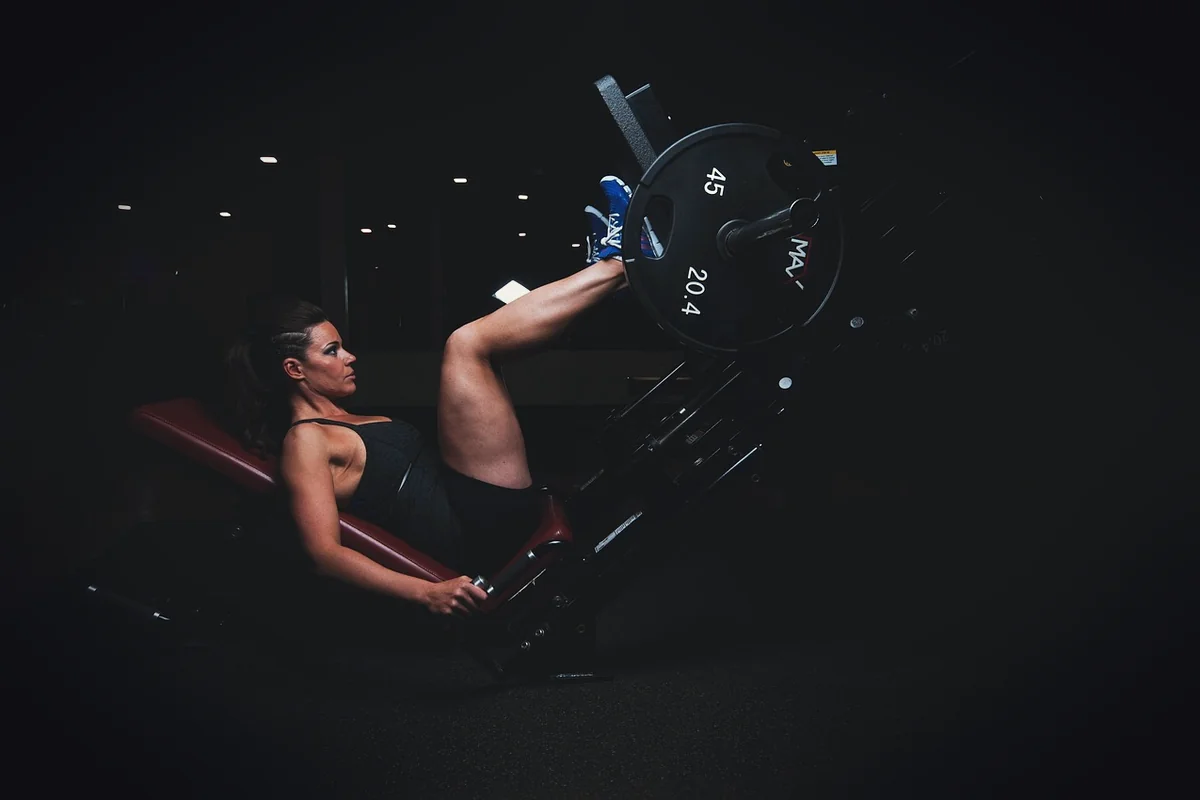
Healthy skin sits at a pH of roughly 4.5 to 5.5, slightly acidic. This acidity is part of how the resident bacteria, especially Staphylococcus epidermidis and certain Corynebacterium species, hold their niche and prevent overgrowth of opportunists like Cutibacterium acnes and Staphylococcus aureus. Heavy sweat pushes skin pH up toward neutral within 15 to 30 minutes, depending on intensity and individual sweat chemistry. At neutral pH the commensals lose some of their competitive advantage. The opportunists, which thrive at higher pH, have a small window to multiply before the skin rebalances on its own.
Stack that with the friction of a tight headband, the occlusion of a sweaty hat, the salt residue drying on cheeks, and you have a four-variable environment that’s pushing toward inflammation. Most gym breakouts are not random. They are reproducible from the same input pattern.
The post-workout sequence
Within 15 minutes of finishing, wipe your face down. Not a scrub. A soft towel or a wet washcloth if you have one. The goal is to remove the bulk of the sweat and salt before pH stays elevated for too long. If you can’t get to a sink, a fragrance-free micellar water on a cotton pad works. Avoid alcohol wipes, they over-correct and dehydrate.
Within an hour, cleanse properly. A gentle gel or cream cleanser, not a foaming sulfate one. CeraVe Hydrating, La Roche-Posay Toleriane, or Krave Matcha Hemp work well here. Pat dry. Apply moisturizer. If your routine includes a prebiotic serum like the Microbiome Glow Serum, this is a natural place for it because the post-cleanse window is when skin is rebuilding its acid mantle and the commensals are competing for territory.
Do not apply actives immediately post-cleanse on a workout day. Retinol, AHAs, BHAs, and high-strength vitamin C on freshly stressed skin tend to push small bumps into bigger ones. Wait until evening if you were planning to use any of these, and use them at lower frequency than usual.
Pillowcase, headband, and hat hygiene matter more than people think. A salt-stiff headband worn three days in a row is a guaranteed forehead breakout zone. Wash twice a week minimum if you train often.
The contrarian take
The conventional advice to shower immediately after every workout is correct in principle and overstated in practice. A 20-minute walk-cooldown before showering is fine. Sweat that’s already dried and brushed off with a clean towel is not actively harming skin. What actually causes the breakout pattern is sweat plus occlusion plus time plus friction. Remove any one of those and the chain breaks. People who travel home in workout clothes, in traffic, with a sweaty face touching a phone screen, are the cohort with cystic jawline breakouts. People who wipe down, change into clean clothes, and shower within 90 minutes are mostly fine.
The other piece worth saying out loud: sports-marketing skincare for athletes is mostly the same products in louder packaging. You do not need an athlete-specific serum. A gentle cleanser, a fragrance-free moisturizer, and clean fabric do the heavy lifting.
The real numbers
A 2015 study in the Journal of Investigative Dermatology measured skin pH before and after moderate-intensity exercise and recorded a rise from 5.0 to 6.4 on average, returning to baseline within 60 to 90 minutes when skin was left clean and dry. A separate 2018 paper in Experimental Dermatology (Schmid-Wendtner and Korting follow-up) confirmed that the duration skin spends above pH 6.0 correlates with measurable shifts in surface bacterial counts, particularly C. acnes density on the forehead and cheeks. The 15 minute and 60 minute windows in the protocol are not arbitrary, they map onto the published recovery curves.
For deeper context, the microbiome reset routine covers the slower 21-day version of this principle, and our piece on introducing retinol explains why active reintroduction on stressed skin tends to backfire.
FAQ
Should I double cleanse after a workout? No. One gentle cleanse is plenty. Double cleansing post-workout is overdoing it and often strips the lipid film right when you need it most.
Is hot yoga worse than weightlifting for skin? The variable is sweat volume and duration plus heat exposure. Hot yoga sustains high sweat for 60 to 90 minutes in a warm room, so yes, on average, more disruptive. The protocol is the same, just with more emphasis on cooling skin down before cleansing.
Can I use mineral SPF if I’ll be sweating outdoors? Yes, but choose a sport-formulated water-resistant version. Reapplication every 80 minutes is the real lever, not the formula choice.
What about makeup at the gym? Makeup plus sweat plus occlusion is the worst combination. If you wear it, take it off before training, or accept that you’ll need a more thorough cleanse afterward.
More reading in our microbiome library if you want to go deeper on the commensal side of skin health.
Sources
Schmid-Wendtner MH, Korting HC. “The pH of the skin surface and its impact on the barrier function.” Skin Pharmacology and Physiology, with 2015 JID follow-up data. Grice EA, Segre JA. “The skin microbiome.” Nature Reviews Microbiology, 2011.
Keep reading
- Routines & How-TosWhy Morning Cleansing Is Debated, and Where the Evidence Actually Lands
- Routines & How-TosFlour Dust at 4 AM: A Wholesale Baker’s Pore-Aware Morning Routine
- Routines & How-TosMindful Masks for acne-prone skin: a calm cadence that does not push the barrier
References
- Grice EA, Segre JA. The skin microbiome. Nat Rev Microbiol. 2011. PubMed.
- Yu Y, Dunaway S, Champer J, et al.. Changing our microbiome: probiotics in dermatology. Br J Dermatol. 2020. PubMed.
Have a question about “Exercise Sweat and Skin Microbiome: The Post-Workout Bacterial Shift”?
Ask our editorial desk. Best questions become full follow-up articles, reviewed by our medical reviewer. No medical advice given in private — answers run as articles or not at all.