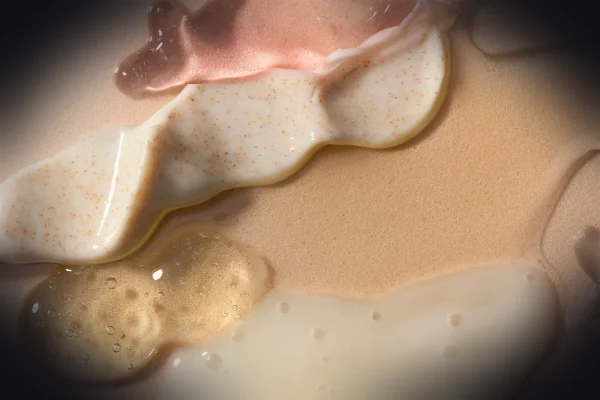
The most damaging belief about oily skin is that drying it out fixes it. Strip the barrier with foaming cleansers, alcohol toners, and clay masks twice a day, and skin compensates by producing more sebum to defend itself. That's why so many oily-skin routines plateau at week six and then start producing more oil than when they began.
The four-step oily routine, in order
Morning: gentle low-sulfate gel cleanser, niacinamide 5 percent serum, oil-free gel moisturizer, broad-spectrum SPF 30 or higher (gel or fluid texture, not cream). Night: same cleanser, then on alternating evenings either salicylic acid 2 percent or a hydrating layer with hyaluronic acid. Add a low-strength retinoid two nights a week after the routine has been stable for a month.
This is genuinely all most oily skin needs. The temptation to add a clay mask, an acid toner, and a mattifying primer on top is exactly what creates the dehydrate-and-rebound oil cycle.
The contrarian take: pores can't shrink, and you can stop trying
The marketing claim that pores 'shrink' or 'minimize' with the right product is one of the most stubborn beauty myths. Pore size is structural and largely genetic. What you can do is empty them (so they look smaller), keep them clear with regular but gentle exfoliation, and reduce sebum output slightly with niacinamide or retinoids. What you can't do is change the pore itself. Trying to is how barriers get destroyed. Same applies to sebum: it's the skin's natural defense, not the enemy. Reduce it, regulate it, don't try to eliminate it.
The moisturizer step everyone wants to skip
Oily skin needs moisturizer. Not despite being oily; partly because of it. When skin senses dehydration it ramps up sebum production. An oil-free gel moisturizer with niacinamide or hyaluronic acid signals to the barrier that water is present, and oil production normalises within a few weeks. The texture matters: aqueous gel, water-cream, or lightweight emulsion. Skip rich creams and balms unless you're using them as targeted spot treatment.
Jojoba is the one face oil oily skin can sometimes use because its composition is close to human sebum, so it doesn't trigger overproduction the way denser oils do. Used sparingly (two drops, evening), it actually helps regulate.
What to clean with
The cleanser choice is the most leveraged decision in an oily-skin routine. A high-foaming cleanser strips lipids, and the barrier responds with more oil within hours. A pH-balanced low-foaming gel cleanser (or a non-stripping cleansing milk in the morning) does the same job without the rebound. The best cleansers for oily skin are almost always the gentlest ones. If your face feels tight after washing, the cleanser is too harsh, regardless of how oily you read on a blotting paper an hour earlier.
When oily skin is something else
If you have persistent shine plus rough sandpaper texture across the forehead and chest, that may be fungal acne rather than regular oily-skin breakouts, and salicylic acid won't fix it. If oily skin is paired with hair loss, irregular periods, or sudden adult-onset acne, hormonal factors (PCOS, androgen sensitivity) are worth ruling out with a doctor. Skincare can manage the symptoms; it can't override an internal driver.
Also worth checking: whether you actually have oily skin. Combination, dehydrated-oily, and seasonally-oily skin are all common, and the routine differs slightly for each.
The morning-and-night version, in full
A complete oily-skin routine looks like this. Morning: low-foaming gel cleanser, niacinamide 5 percent serum, oil-free gel moisturizer, broad-spectrum SPF 30+ in a gel or fluid texture. Night: same cleanser, then on alternating nights either salicylic acid 2 percent or hyaluronic acid serum (give skin a hydration night between exfoliation nights), oil-free moisturizer, finished with a single drop of jojoba on dry patches if needed. Two nights a week, swap in a low-strength retinoid once the rest of the routine has been stable for a month.
Frequently asked questions
- What's the best skincare routine for oily skin?
- Four steps: a low-sulfate gel cleanser, niacinamide 5 percent serum, an oil-free gel moisturizer, and SPF 30 or higher. Add salicylic acid 2 percent two to three nights a week, and a low-strength retinoid after a month if needed. Skip clay masks and alcohol toners. Most oily skin stabilises in 6 to 10 weeks once it stops being stripped twice daily.
- Should oily skin use moisturizer?
- Yes. Skipping moisturizer is one of the most common reasons oily skin gets oilier. When skin is dehydrated it produces more sebum to compensate, creating a rebound effect that makes shine worse over weeks. Use an oil-free gel or water-cream texture with niacinamide or hyaluronic acid. The right moisturizer reduces oil production, it doesn't add to it.
- Why does my skin get more oily after using mattifying products?
- Mattifying products often contain high alcohol content, clay, or strong surfactants that strip lipids from the barrier. Skin senses the loss and produces more sebum to defend itself, usually within 4 to 12 hours. The shine comes back stronger by mid-afternoon. The fix is to switch to gentle non-stripping cleansers and a niacinamide-based routine, which regulates oil over weeks instead of triggering the rebound.
- Can oily skin use face oils?
- Jojoba is the one face oil that often works for oily skin, because its composition closely mimics human sebum, so the skin doesn't read it as foreign and ramp up production. Used sparingly (two drops at night, applied to a hydrated face), it can actually help regulate oil. Most other oils are too dense and will sit on top, potentially clogging pores or worsening congestion.
- How do I reduce shine without drying my skin out?
- Niacinamide 5 percent applied daily reduces sebum output over 6 to 10 weeks. Low-dose retinoids (0.1 to 0.3 percent retinol or adapalene) further regulate it but take longer. Blotting papers handle the within-day shine without affecting your barrier. Avoid anything alcohol-heavy or clay-based more than once a week, since those produce short-term matte and longer-term oilier skin.
- Are oily skin and acne-prone skin the same?
- Related but not identical. Oily skin produces more sebum but doesn't necessarily clog. Acne-prone skin has follicles that clog easily and inflame, which can happen across skin types including dry skin. The routines overlap (niacinamide, salicylic acid, lightweight moisturizers) but acne-prone skin usually needs an additional active like a retinoid or azelaic acid that pure oily skin without acne doesn't strictly require.