Vitamin C is the most data-rich antioxidant in topical skincare. It scavenges free radicals from UV and pollution, inhibits tyrosinase (the enzyme that produces melanin), and is a required cofactor in collagen synthesis. The catch: the gold-standard form, L-ascorbic acid, is famously unstable. It oxidizes on contact with air, light, and water, turning yellow, then orange, then brown. At which point it’s not just inactive, it can be pro-oxidant on the skin you were trying to protect.
The forms, ranked by what they actually do
L-ascorbic acid (LAA) is the only form with decades of clinical evidence at 10–20% and a low pH (around 3.5). It works, but it punishes formulation choices. Sodium ascorbyl phosphate (SAP) is stable, gentle, and converts to LAA in the skin — useful for acne-prone or reactive skin. Magnesium ascorbyl phosphate (MAP) is similar, slightly less potent. Tetrahexyldecyl ascorbate (THD ascorbate) is oil-soluble, very stable, and excellent for dry or mature skin because it absorbs through the lipid matrix rather than the watery one. Ascorbyl glucoside is mild and slow. Ethyl ascorbic acid is potent but tends to feel sticky and can sensitize if used daily at high concentration. The full breakdown is in vitamin C in skincare: forms, concentrations, and which one is right for you.
The 20% myth
Higher concentration is not linearly better. Pinnell’s foundational research showed L-ascorbic acid absorption plateaus around 20%, and many people get more irritation than benefit above 15%. What I keep seeing: people chasing 23% or 25% formulas, developing rebound redness, and assuming they’ve become “sensitive” when in fact the formula is over-dosed for any face. If your skin tingles for more than a minute, the concentration is too high for your barrier today, not a sign it’s working. A 10% LAA used consistently for eight weeks outperforms a 25% used inconsistently for two.
Stability and storage
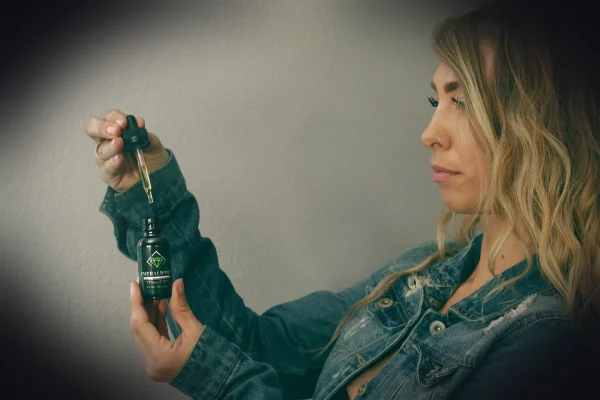
A clear glass bottle with a dropper is the worst possible packaging for LAA. Air gets in every use, light gets in always. Opaque pumps or air-restrictive packaging are non-negotiable. If your serum is dark orange, throw it out — it’s pulling oxygen from your skin, not adding antioxidants. Refrigeration extends shelf life by weeks. THD ascorbate and the phosphate derivatives don’t care about any of this, which is why they’re increasingly the format of choice for clean-formulated and pregnancy-friendly lines. The decade-specific routines in anti-aging in your 20s and anti-aging in your 30s default to derivatives precisely because they survive a real bathroom shelf.
Layering it correctly
Morning, after cleansing, before moisturizer and sunscreen. The pairing with sunscreen is the actual headline: vitamin C extends UV protection by quenching the free radicals UV generates even through SPF. Combine with niacinamide — the old “they cancel each other out” claim came from a 1960s study using unstable forms and laboratory conditions that bear no resemblance to modern formulas. The full comparison is in vitamin C vs niacinamide: which brightener should you pick? Layer a Microbiome Glow Serum after vitamin C if you’re prone to redness; the barrier support smooths the edges without diluting the antioxidant.
The blue-light question
The marketing claim that vitamin C protects against blue light from screens has gotten ahead of the data. Visible light from phones and laptops generates a tiny fraction of the oxidative stress UV does, and the studies showing skin effects from blue light used intensities far higher than your monitor. Vitamin C is useful here, but as a small bonus on top of its UV role. The full reality check is in blue light and skin: real risk, smaller than the marketing.
Where it actually moves the needle
Photodamage, dullness, and post-inflammatory pigmentation respond well in eight to twelve weeks. Melasma is a different problem and needs tranexamic acid and pigment-specific protocols — see melasma: why it’s stubborn and what’s new in 2026 and the older-pigment timelines in sun spots and age spots: treatment timelines that actually work. For environmental damage prevention, especially in urban settings, vitamin C is one of the few ingredients with the receipts; the case is built out in pollution and your skin, and the broader antioxidant context sits in green tea (EGCG) in skincare.
Frequently asked questions
- What percentage of vitamin C should I use?
- L-ascorbic acid: 10% for sensitive skin, 15% for most, 20% only if your barrier is solid. Derivatives like SAP, MAP, and THD ascorbate work at 5u201310% because theyu2019re more bioavailable per gram. More isnu2019t better past about 20%; absorption plateaus and irritation climbs. If youu2019re new to vitamin C, start at 10% for a month before increasing.
- Why has my vitamin C turned orange?
- Itu2019s oxidized and you should bin it. Fresh L-ascorbic acid is clear or pale yellow. Light yellow is fine and still active. Dark yellow means itu2019s losing potency. Orange or brown is fully oxidized and can be pro-oxidant on the skin u2014 meaning it generates the free radicals you were trying to neutralize. Storage matters: cool, dark, airtight.
- Can I use vitamin C and niacinamide together?
- Yes. The cancellation myth comes from a 1960s study using unstable forms at extreme concentrations and high temperatures u2014 conditions that donu2019t exist on your face. Modern formulas pair them constantly without issue. If anything theyu2019re complementary: vitamin C inhibits melanin production, niacinamide blocks its transfer to skin cells.
- Should I use vitamin C morning or night?
- Morning, ideally. Its biggest practical benefit is amplifying sunscreen by quenching UV-induced free radicals that SPF alone doesnu2019t catch. It does work at night, but youu2019re leaving the daytime payoff on the table. If you only have time for one antioxidant step, do it before SPF in the morning.
- Can I use vitamin C with retinol?
- Yes, separated by time of day. Vitamin C in the morning, retinol at night. The pH conflict argument is mostly outdated; modern retinols donu2019t need the same pH window as old prescription retinoids. The combination is one of the better-evidenced pairings for photodamage and pigmentation over a six-month timeline.