Free tool · 2-minute protocol
How to get rid of body acne — zone-specific protocol.
Back acne, chest acne, butt acne, and shoulder breakouts have different causes and need different protocols. Generic "body acne treatment" articles miss this — and apply the same products to all zones with mixed results. Pick your zone, get a targeted plan with the actives + lifestyle changes that move the needle for that specific area.
"Body acne" is a useful umbrella term but a useless treatment category. Back acne is mostly fungal acne (Malassezia folliculitis). Chest acne is often hormonal + heat-trapped. Butt acne ("buttne") is usually folliculitis from friction + occlusion. Shoulder acne is sweat + friction. Each needs different actives — and the wrong active can extend the problem by months.
Why zone matters for body acne
Different body zones have different follicle types, sebum production rates, sweat density, and friction patterns. Combined with the products you apply (or don\'t), this creates distinct breakout patterns that need targeted treatment.
Back acne — usually fungal, often misdiagnosed
An estimated 60-70% of "bacne" cases are actually Malassezia folliculitis (fungal acne), not true acne. The clues: uniform small bumps, often itchy, worse after sweating, doesn\'t respond to benzoyl peroxide. Standard acne treatments often make this worse — BP feeds Malassezia.
True bacterial bacne is the minority. Treatment: ketoconazole 2% shampoo used as a body wash (apply, leave 10 minutes, rinse) 3x weekly; selenium sulfide 2.5% as alternative; for severe cases, oral antifungals via derm.
Chest acne — sebum + heat + hormonal
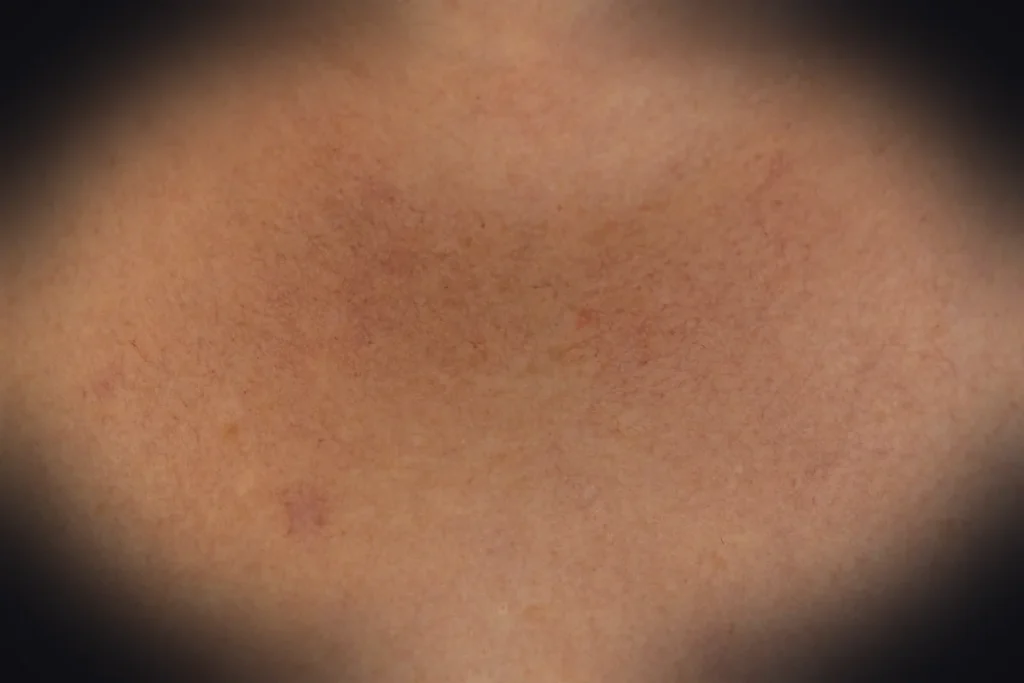
The chest has high sebaceous gland density similar to the face\'s T-zone. Common triggers: heat-trapping (sweat under tight clothes), comedogenic body lotions, and hormonal patterns. More common in adult women than men.
Treatment: salicylic acid 2% body wash daily, adapalene 0.1% gel applied to clean dry skin at night, lightweight non-comedogenic body lotion. For persistent hormonal chest acne in adult women: dermatology consult about spironolactone.
Butt acne ("buttne") — usually folliculitis
The vast majority of "butt acne" is folliculitis, not acne. The buttocks have hair follicles but minimal sebaceous activity — so true acne is rare. What you\'re usually seeing is friction + occlusion + bacteria-fed folliculitis (sometimes called "folliculitis nuchae" or just plain irritated follicles).
Treatment: chlorhexidine 4% body wash daily, switch to cotton breathable underwear, avoid sitting in damp gym clothes, don\'t shave the area. For persistent cases that cluster painfully: rule out hidradenitis suppurativa (HS) — see a dermatologist. HS is a chronic inflammatory condition that affects this area and needs specific treatment.
Shoulder acne — sweat + friction + backpack straps
Combination pattern: sweat occlusion under tight shirts + backpack/bra straps causing friction. Often appears in clusters along strap lines. Mix of true acne and folliculitis.
Treatment: salicylic acid 2% wash daily + benzoyl peroxide 4% wash 2-3x weekly (rotate, don\'t use same day). Wash shirts on hot. Carry change of clothes for post-workout. Lighten backpack load or change strap pattern.
Inner thigh / groin folliculitis
Common in people who shave or wax the area, wear tight athletic wear, or sweat heavily. Treatment: chlorhexidine wash + reduce shaving frequency + cotton underwear. Painful, deep nodules in this region that recur — see a dermatologist to rule out hidradenitis suppurativa.
The single biggest mistake
Treating fungal acne (most "bacne") with benzoyl peroxide and salicylic acid alone. These ingredients are great for true bacterial/comedonal acne — and useless or actively counterproductive for Malassezia folliculitis. The diagnostic test: if you\'ve used standard body acne treatments for 4+ weeks without improvement, the bumps are probably fungal. Try ketoconazole 2% shampoo as a body wash for 2 weeks — if symptoms improve, that confirms the diagnosis.
The other big mistake: aggressive physical exfoliation
Body brushes, exfoliating mitts, scrub gloves used aggressively. These can convert mild folliculitis into widespread irritated follicles and spread the bacteria/yeast across more zones. Gentle chemical exfoliation (salicylic acid wash) is far more effective and less damaging.
Lifestyle changes that often outperform products
- Shower within 20 minutes of any sweat-heavy activity. Dried sweat is one of the highest-impact body-acne triggers, especially on back and chest.
- Wash workout gear on hot. Synthetic gym wear retains bacteria even after a regular wash. Hot wash + occasional vinegar rinse kills the buildup.
- Cotton-based underwear and breathable sleepwear. Synthetic fabrics trap heat and moisture against the skin for 6-8 hours nightly.
- Don\'t share towels or use the same towel for 4+ days. Towels accumulate bacteria and yeast.
- Change pillowcase + shirt regularly if back acne. Sebum and product residue accumulates.
- Skip hair conditioner running down your back — rinse hair carefully away from the body, then do the final body wash to remove residue.
When body acne needs a dermatologist
- Deep painful nodules that recur in the armpits, groin, or under the breasts — rule out hidradenitis suppurativa
- Cystic body acne — risk of permanent scarring, often responds to oral isotretinoin
- Spreading or worsening despite 4-6 weeks of consistent treatment
- Body acne + irregular periods in women — possible PCOS evaluation
- Sudden severe body acne in a previously-clear adult — endocrine workup may be warranted
Common questions about body acne
How do I get rid of back acne?
Most back acne (60-70% of cases) is fungal acne (Malassezia folliculitis), not true acne — so benzoyl peroxide and standard acne treatments often don\'t work or make it worse. Test: try ketoconazole 2% shampoo (Nizoral) used as a body wash for 2 weeks — apply, leave 10 minutes, rinse. If symptoms improve, it was fungal. Shower within 20 minutes of sweating, wash workout gear on hot, and rinse hair conditioner carefully away from the back.
Why do I get butt acne?
Most "butt acne" is actually folliculitis — inflamed hair follicles, not true acne (the buttocks have minimal sebaceous gland activity). Causes: friction from sitting in damp gym clothes, tight synthetic underwear, shaving the area, hot tubs. Treatment: chlorhexidine 4% wash daily for 1-2 weeks + switch to cotton underwear + change out of damp clothes quickly. If painful deep nodules recur in the buttocks or armpits/groin, see a dermatologist to rule out hidradenitis suppurativa.
Why does benzoyl peroxide not work on my back?
Because your back acne is probably fungal, not bacterial. Benzoyl peroxide is great for true acne (Cutibacterium acnes) but useless against Malassezia yeast — which causes the majority of "bacne." If 4+ weeks of BP haven\'t produced improvement, switch to ketoconazole 2% shampoo (Nizoral) used as a body wash. The "uniform, often itchy bumps that don\'t respond to acne treatment" pattern is the diagnostic giveaway.
Can chest acne be hormonal?
Yes — particularly in adult women. The chest, like the jawline, is a documented hormonal acne pattern. Signs: cyclical flares with the menstrual cycle, deep painful lesions vs. surface whiteheads, persistence despite topical treatment. For persistent hormonal chest acne in adult women, dermatology consultation about spironolactone or hormonal birth control adjustment is the high-impact intervention — topical alone usually plateaus.