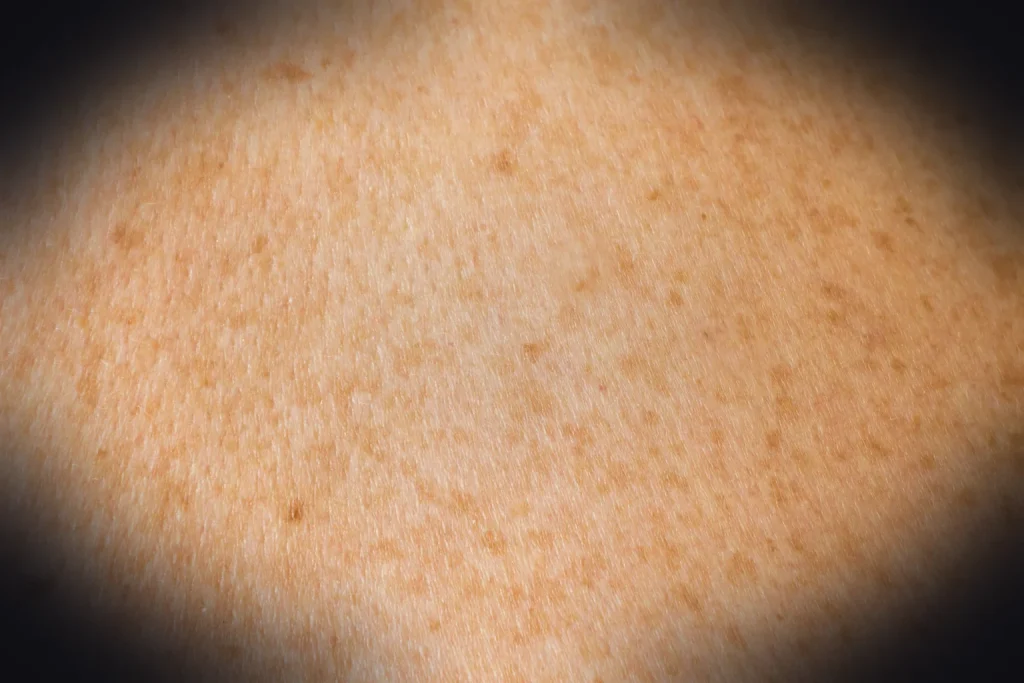
The pattern is so common I can almost predict the message before I read it. The reader spent four months on a vitamin C and tranexamic acid routine. The pigmentation faded. Three months later, half of it is back, and they think the serum stopped working. The serum didn’t stop working. Something restarted the pigmentation. Finding what restarted it is the whole game.
What hyperpigmentation is, briefly
Hyperpigmentation is excess melanin in localized patches of skin. Melanocytes (the pigment-producing cells) get activated by triggers, dump melanin into nearby skin cells, and the patch turns brown or gray-brown. The pigment fades when the skin cells holding it turn over, which happens on a 28 to 60 day cycle depending on age and depth. Fading is a function of cell turnover. Recurrence is a function of whether the trigger comes back.
Why it happens (and keeps happening)
UV is the obvious trigger and the one everyone covers. Sunscreen daily, broad spectrum, reapply every two to three hours when you’re outdoors. SPF 50 isn’t twice as good as 30 for daily use, but it gives more buffer when you under-apply, which everyone does. This part is well understood.
The four less-obvious triggers are where the cycling comes from. Heat is the first. Visible light and infrared radiation activate melanocytes independently of UV. Standing in front of a stove daily, sitting next to a sunny window without glass that blocks visible light, working under bright bathroom mirrors with LEDs, all of these contribute. Melasma in particular is heat-responsive.
Hormones are the second. Pregnancy, oral contraceptives, hormonal IUDs, and perimenopause all shift estrogen and progesterone in ways that can reactivate melasma. If your pigmentation returns roughly when a hormonal change happened, that’s not coincidence.
Friction is the third. Where the skin rubs (mask edges, glasses, eyebrow waxing, exfoliating tools, washcloths used vigorously) can trigger post-inflammatory hyperpigmentation in melanin-rich skin. The friction is mild enough that you don’t notice it, but the melanocytes respond.
The fourth is the post-inflammatory cycle itself. Any acne, eczema flare, or irritation in skin that pigments easily can leave a mark, and treating the mark aggressively (high-strength acids, harsh laser settings, microneedling on the wrong skin) creates more inflammation, which creates more pigment. The treatment becomes the trigger.
What helps
Isolate the trigger first. Map when each round of pigmentation returned. Look at what changed in those weeks: new medication, summer travel, a new hot yoga habit, a new face cleansing brush, a change in birth control, a kitchen renovation that put you closer to the stove. The pattern is usually visible once you look for it.
Once you’ve found the likely trigger, address it directly. Hormonal melasma needs tranexamic acid (topical 3 to 5 percent, or oral 250 to 500 mg twice daily prescribed by a derm), plus the standard depigmenting routine. Heat-triggered pigmentation needs iron oxide tinted sunscreen, which is the only kind that blocks visible light. Friction-triggered pigmentation needs the friction removed, full stop, plus barrier support during recovery. Post-inflammatory cycles need a gentler treatment approach, not a more aggressive one.
The active ingredients with the best evidence are tranexamic acid, azelaic acid (10 to 20 percent), vitamin C in stable formulations, retinoids, and hydroquinone (prescription, used in cycles). Niacinamide at 5 percent supports the regimen but isn’t the primary depigmenter. Layering all of them simultaneously isn’t the strategy. Pick two or three and run them for at least 12 weeks before judging.
The contrarian read: more lasers isn’t the answer for melasma
Aggressive laser treatment for melasma backfires more often than it succeeds. The heat from many lasers triggers the same melanocytes you’re trying to calm. Q-switched and fractional non-ablative settings can help when calibrated correctly, but the default to laser as a first step for melasma is mismatched to the condition. Topicals first, oral tranexamic acid second, laser only if a derm specializing in melasma has tried the conservative route and tracked your response.
When to see a dermatologist
See a dermatologist if pigmentation is rapidly expanding, changing texture, or has any features of melanoma (asymmetry, irregular borders, multiple colors, diameter over 6mm, evolving). If three months of consistent over-the-counter treatment has produced no change at all, that’s also a derm visit. And anyone with melasma should probably start with a derm rather than self-treat, because the wrong approach makes melasma worse in a way that takes a long time to recover from.
The real numbers
A 2017 review in the Journal of the American Academy of Dermatology found that 40 to 60 percent of melasma patients relapse within a year of successful treatment, almost always because the underlying trigger wasn’t addressed. Oral tranexamic acid showed sustained results in 89 percent of patients in a 2018 trial published in JAMA Dermatology, but only when paired with rigorous sun protection. Sun protection alone didn’t prevent recurrence in patients with active hormonal triggers, which is the entire point.
FAQ
How long does it take to fade hyperpigmentation? Post-inflammatory pigmentation: 3 to 18 months. Melasma: 8 to 16 weeks for visible improvement on active treatment, then ongoing maintenance. Sun-induced lentigines: variable, often slow.
Can I use vitamin C and tranexamic acid together? Yes. They have different mechanisms (antioxidant + plasmin inhibition) and stack well. Morning vitamin C, evening tranexamic acid is a reasonable split.
Does kojic acid work? Modestly. It’s a tyrosinase inhibitor, but the evidence is weaker than for hydroquinone or tranexamic acid. Reasonable in a stack, not the headline ingredient.
Why does my pigmentation get worse in summer even with sunscreen? Under-application and missed reapplication account for most of it. Heat and visible light also contribute, which is where iron oxide tinted sunscreens earn their place.
Is hydroquinone safe long-term? Used in cycles (8 to 12 weeks on, then a break), yes. Continuous indefinite use can cause ochronosis, particularly in melanin-rich skin. Always under a derm’s guidance for ongoing use.
If hormones are part of your picture, see our piece on skincare during IVF stimulation for how estrogen spikes drive melasma, and why my barrier won’t heal for the friction-pigmentation overlap. Tag hub: hyperpigmentation.
Sources
Sarkar R et al. Melasma update. Indian Dermatology Online Journal, 2014. Bala HR et al. Oral tranexamic acid for the treatment of melasma. JAMA Dermatology, 2018. Passeron T, Picardo M. Melasma, a photoaging disorder. Pigment Cell and Melanoma Research, 2018.
Keep reading
- 174Skincare for skin of color: what actually changes
- HyperpigmentationMelasma: why it’s stubborn and what’s new in 2026
- Routines & How-TosThe 60-day pigmentation fade plan: a patient, layered approach
References
- Kligman AM, Christensen MS. The biology of the stratum corneum revisited. Int J Cosmet Sci. 2011. PubMed.
- Draelos ZD. The science behind skin care: cleansers. J Cosmet Dermatol. 2008. PubMed.
Have a question about “Why my hyperpigmentation keeps fading then coming back, trigger by trigger”?
Ask our editorial desk. Best questions become full follow-up articles, reviewed by our medical reviewer. No medical advice given in private — answers run as articles or not at all.