TL;DR
Snail mucin was the glow-cult ingredient of the early 2020s. The clinical evidence behind it is real but unremarkable: a humectant with some peptides, marketed as a miracle. By 2026 the searches have halved, the Korean originators have moved on, and the niche has been quietly absorbed by postbiotic and panthenol formulations that do the same job without the texture problem. The autopsy: it was always a fine ingredient pretending to be a great one.
I bought my first bottle of COSRX Advanced Snail 96 Mucin Power Essence in 2019. It was fine. Slightly tacky, mildly hydrating, no visible miracle. By 2022 the same product had become a cultural artifact, stacked behind influencer headboards and ranked in every routine roundup as though it had cured something. By 2026 the searches are halved, the K-beauty originators have rotated to other heroes, and the bottle on my shelf is two years past its sensible use-by date.
This is the autopsy. What snail mucin actually does, why it overshot, who profited, and what fills the niche now that the glow-cult has moved on.
What snail mucin actually is
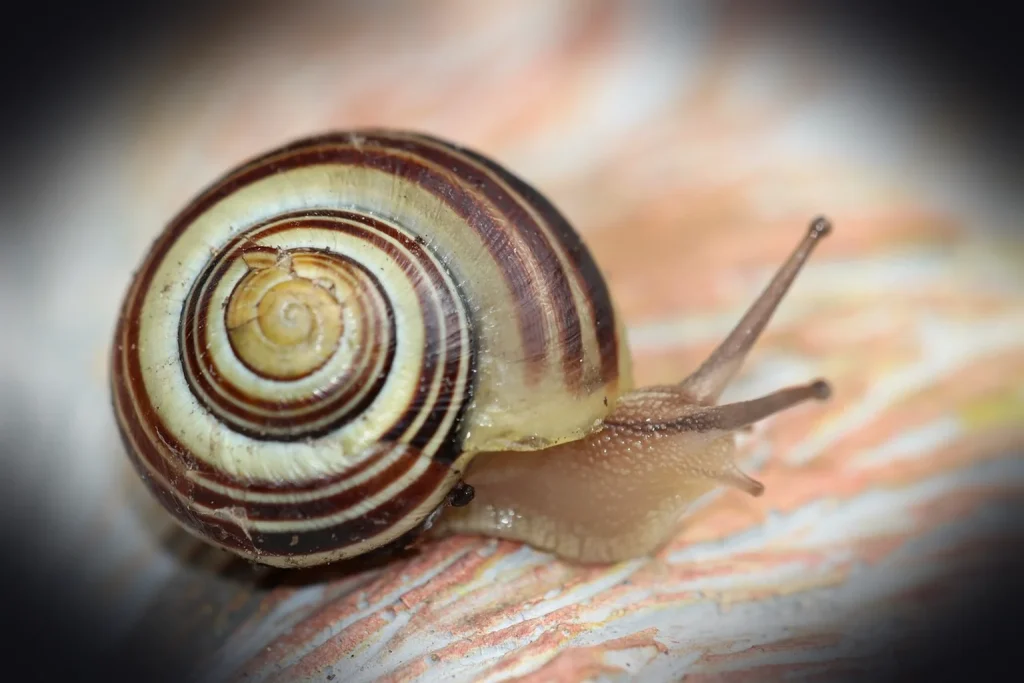
The ingredient is the filtrate of secretion from Cornu aspersum (the common garden snail) collected via mechanical or chemical stimulation. The filtrate contains glycoproteins, hyaluronic acid, glycolic acid in trace amounts, peptides, and antimicrobial peptides like achacin. Concentrations in commercial essences run from 70 to 96 percent of total formulation.
On paper, the ingredient list reads like a competent multi-functional hydrator. In a finished product, it behaves like one. A 2020 split-face study in Journal of Drugs in Dermatology (Tribo-Boixareu et al.) tested an 8 percent snail filtrate cream against vehicle on 25 subjects over 14 weeks and found statistically significant improvements in fine line depth and elasticity. The effect sizes were modest. The same paper noted that the active compounds (glycosaminoglycans, peptides) are not unique to snail filtrate; they appear in human skin and in many other cosmetic actives.
Why it overshot
The trend cycle ran on three drivers, none of which were about results.
First, the texture. Snail essence has a uniquely stringy, glossy slip that photographs beautifully and feels novel on application. Beauty content on TikTok and YouTube during 2020 to 2022 was dominated by the aesthetic of products that looked weird in the hand. Snail mucin won the aesthetic battle. Stretchy goo on a fingertip plays better than a clear serum.
Second, the origin story. K-beauty was the dominant cultural import in the period, and a Korean essence with an unusual sourcing method was tailor-made for the genre. The Korean origin lent credibility; the snail provenance lent virality. The combination was almost unfair to compete with.
Third, the timing. The 2020 to 2022 window was peak skincare-as-self-care, when entire feeds were built around routine performance. A ten-step routine needed an unusual fifth step, and snail mucin filled the slot.
Who profited
COSRX, primarily. The 96 Mucin Power Essence became the gateway product for a generation entering serious skincare. Sales figures from internal Korean industry reporting put the line at roughly $200 million in annual revenue at peak, with the snail essence the single largest SKU.
Behind COSRX, a long tail of dupes. Mizon, Benton, Some By Mi, Holika Holika, and dozens of Amazon white-label brands ran their own snail filtrate essences at lower price points. The ingredient itself is a commodity; the supply chain runs out of a handful of South Korean producers like Iljin Bio. Most of the brands were buying from the same suppliers and applying different labels.
The retailers profited too. Ulta, Sephora, and the Korean specialty importers ran snail mucin as a high-margin gateway product. New skincare buyers came in for the essence, left with three other items.
The losers, eventually, were the consumers who stacked snail mucin on top of a routine that already contained hyaluronic acid serum, panthenol moisturizer, and peptide treatment. The ingredient duplicated effects they were already getting. The five layers of slip felt productive. The skin underneath looked the same.
The contrarian take: it was always a fine ingredient pretending to be a great one
Snail filtrate is a competent multi-functional hydrator. That is the whole of it. The peptides are useful at the percentages present. The glycoproteins are mildly humectant. The texture is genuinely pleasant on application. None of this is exceptional in 2026.
The comparison that mattered: was snail mucin better than panthenol plus hyaluronic acid plus a peptide complex in the same bottle? No. The combination of established actives at clinical concentrations outperforms the filtrate consistently. The American Academy of Dermatology’s 2024 position on novel cosmetic ingredients was direct: marketing-led ingredient cycles rarely produce meaningfully better outcomes than established humectant-plus-emollient formulations applied consistently.
The glow-cult always overshoots. The same pattern ran on argan oil in 2014, on rosehip in 2017, on bakuchiol in 2020, on snail mucin from 2020 to 2022. Each ingredient is fine. Each is sold as transformative. Each fades when the next aesthetic novelty arrives.
What fills the niche now
The hydrator-with-peptides niche is now mostly held by postbiotic formulations and well-formulated panthenol serums. Postbiotic skincare uses the metabolic byproducts of probiotic bacteria (lactobacillus ferment lysate, bifida ferment lysate) to deliver the same kind of multi-component humectant effect that snail filtrate offered, with cleaner sourcing and faster manufacturing. The microbiome positioning replaced the snail novelty.
Our own work on the Microbiome Glow Serum sits in this category. The Korean and Japanese brands that built the snail mucin category in 2020 have largely moved to postbiotic essences themselves. Beauty of Joseon’s lines in 2026 emphasize rice and propolis ferments. Sulwhasoo’s recent launches lean into fermented ginseng. The original architects of the snail trend moved on first.
Panthenol-and-ceramide creams (Cicaplast, Cicalfate, the K-beauty centella-asiatica formulations) hold the barrier-repair share. They do the calming and lipid-rebuilding work that some users expected from snail mucin and never quite got.
The texture problem nobody talks about
A small but real issue with snail filtrate: it pilling. The combination of glycoproteins and the stringy texture interacts badly with silicone-based primers and certain sunscreens. The product that looks beautiful when applied alone often rolls off the skin in the morning under a chemical SPF or a tinted base. The behavior is well-known to formulators and largely unmentioned in the consumer-facing trend coverage.
By 2024, a significant share of users had quietly stopped using the essence in the morning specifically because of pilling. Reddit threads, forums, and the slower-paced YouTube reviewers covered the issue. The mainstream beauty press did not. The trend was still selling.
The ethical question that finally landed
Snail filtrate collection involves stimulating live snails to produce mucin under stress. The industry standard for ethical sourcing exists but is not consistently audited. By 2023 to 2024, vegan and cruelty-free certifications became a meaningful purchase driver, and snail filtrate became a casualty. The ingredient is technically not animal-tested but is animal-derived under stress. The category lost shelf space to plant-based alternatives.
Combine the ethical pressure with the texture issue, the duplication of effect with cheaper actives, and the rotation of K-beauty itself to postbiotic and fermentation chemistry. The decline was overdetermined.
What this teaches about the next trend
The pattern is predictable. An unusual sourcing story plus a photogenic texture plus an existing cultural channel produces a trend. The ingredient is fine. The trend overshoots its evidence base by roughly three years. The wholesale market catches up with dupes. The original architects rotate to the next ingredient. The consumer is left with a half-used bottle and a routine that quietly absorbed three other layers in the meantime.
For broader context on this pattern, see the slow skincare manifesto, the glass skin post-mortem, and the dewy skin marketing audit.
FAQ
Is snail mucin actually bad for skin? No. It is a competent humectant. It is just not exceptional, and stacking it on top of an already-hydrating routine adds duplicated effect, not new benefit.
Should I throw out the bottle I have? Finish it if it is still in date. The ingredient does not harm. If your skin already gets adequate hydration from your moisturizer, the visible effect of the essence is small.
What is the replacement for postbiotic essences? A well-formulated essence with lactobacillus or bifida ferment lysate at meaningful concentration (top five ingredients), or a centella-asiatica-and-panthenol calming serum.
Is COSRX dying? No. The brand has pivoted to retinal, mucin-free hydrators, and exfoliating toners. The essence is still in production. It is no longer the lead.
Was the original Korean research on snail filtrate trustworthy? Mostly yes; the early studies were small but methodologically reasonable. The marketing exceeded what the studies could support.
Tag hub: More on skincare myths and trend post-mortems
Sources
Tribo-Boixareu MJ et al. Cosmetic and dermatological properties of snail filtrate. Journal of Drugs in Dermatology 2020. AAD position on novel cosmetic ingredients, 2024. International Cosmetic Ingredient Dictionary, 2024 edition.