
Ingredients
Argan oil for skin: when to use it (and when not to)
Argan is genuinely excellent for dry skin, mature face, body, and hair. It's also too heavy for most oily and acne-prone faces.…
We use cookies to count readers (Google Analytics) and to send you our newsletter (Klaviyo, if you sign up). Nothing is sold. Read our privacy notice.
Tag
A dry-skin routine that rebuilds the barrier instead of sitting on top.
Quick answer
A working dry-skin routine layers humectants under occlusives: a creamy non-foaming cleanser, a hyaluronic acid or glycerin serum onto damp skin, a ceramide-rich cream, and an occlusive (squalane, jojoba, or balm) sealed on top at night. Mineral SPF in the morning. Most dry skin is actually a mix of true dry plus dehydration, and the routine has to address both.
Dry skin is a skin type. Dehydrated skin is a skin state. The same person can be both, often is, and the routines look different. If you don't separate them, you spend money on humectants when you need lipids, or vice versa, and you stay miserable through winter.
Genuinely dry skin produces less sebum than average. The barrier has fewer ceramides, fatty acids, and cholesterol to hold things together, which is why dry skin shows fine lines faster, feels tight, and flakes in cold weather. The fix is lipids, not just more hydrating serums. Ceramides are the single most useful ingredient class for true dry skin, especially as you age, because cell turnover slows and ceramide production drops by roughly half between your 20s and your 50s.
Layer order matters more than people think. Onto damp skin: humectant (glycerin, hyaluronic acid, panthenol). Then emollient cream with ceramides. Then occlusive on top to seal the whole thing in (jojoba, squalane, shea butter, or petrolatum if you can tolerate it). Skipping the occlusive is the biggest mistake on dry skin, especially in heated indoor air.
Morning: cream cleanser or just water rinse, hyaluronic acid serum on damp skin, ceramide moisturizer, mineral SPF. Night: cream cleanser, humectant serum, ceramide cream, occlusive layer. On the worst nights of winter, this is where slugging earns its keep, but only over a properly hydrated face. Slugging over dry skin traps dryness in; slugging over hydrated skin locks moisture in.
Beauty media loves face oils as the answer to dry skin, but pure oils are emollients and occlusives, not humectants. They seal in what's already there. If your skin is dehydrated underneath, the oil just sits on top while skin gets thirstier. Always apply oil over a humectant-rich layer, never as a single product. The exception is argan oil as a finishing layer at night in summer for genuinely lipid-poor skin, which is a reasonable use case.
Dry skin is small flakes, tight feeling, and rough texture year-round. Dehydrated skin is dullness, crepiness when you pinch the cheek, fine surface lines that vanish when you hydrate. The proper distinction matters because oily skin can be dehydrated too, and treating dehydrated oily skin with rich creams just creates clogged pores instead of resolving the dehydration. Also worth checking: how to identify your real skin type, because many people who buy dry-skin products actually have a combination type with localised dehydration.
If your skin flakes in defined patches with redness, itches at night, or weeps after a flare, that's eczema or atopic dermatitis territory and a dermatologist visit is sensible. Same goes for thick, scaly patches with a silvery sheen (possible psoriasis). Regular dry skin doesn't itch intensely, doesn't bleed, and responds to a ceramide cream within a week or two. If yours doesn't, the routine probably isn't the issue.
Quick winter intervention if your skin is suddenly miserable: turn the shower temperature down, run a humidifier at night to 40 to 50 percent indoor humidity, and switch your cleanser to a balm or oil-based version for two weeks. That alone resolves a surprising share of seasonal dryness without changing anything else in the routine.
A complete dry-skin routine looks like this in practice. Morning: rinse with lukewarm water or use a cream cleanser if you need it, apply hyaluronic acid serum to damp skin, follow with a ceramide-rich moisturizer, finish with mineral SPF 30 or higher. Night: gentle cream or balm cleanser, hydrating toner if you enjoy the step, hyaluronic acid serum, ceramide moisturizer, and an occlusive or face oil to seal everything in. Twice a week, swap the occlusive for a low-strength retinoid applied after moisturizer if you want anti-aging benefit, building tolerance over weeks rather than days.
Argan is genuinely excellent for dry skin, mature face, body, and hair. It's also too heavy for most oily and acne-prone faces.…

Ceramides are the lipid mortar that holds your skin barrier together. Production drops with age. They're one of the few ingredients I'd…

Hyaluronic acid is the most-named hydrator in skincare. It's also the one most often used wrong — and in dry air, it…
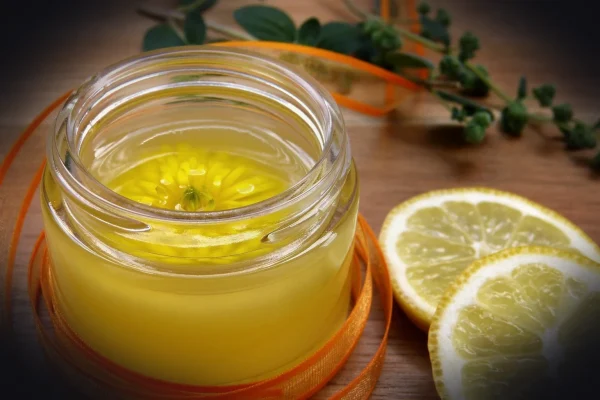
Jojoba isn't actually an oil. It's a liquid wax structurally close enough to your skin's own sebum that even oily skin tolerates…

Most people get their own skin type wrong, and the category you're working from shapes every other decision you make. Here's a…

Dry skin is a type. Dehydrated skin is a state. Most readers who think they have dry skin are actually dehydrated —…