TL;DR
The verdict: essence is watery hydration with light actives, serum is concentrated actives in a medium-thin base, ampoule is a short-course high-concentration treatment. They are not interchangeable. You can run all three in the same routine if you layer thin to thick. Most people only need two.
The three words get used as if they are synonyms. They aren’t. The viscosity is different, the active load is different, and the role in your routine is different. A lot of confusion comes from Western brands borrowing ‘essence’ as a marketing word without keeping the original K-beauty meaning intact.
I’ll keep this short and unsentimental.
Side-by-side: the three categories
Essence is the watery layer. Think SK-II Facial Treatment Essence, Missha Time Revolution, or COSRX Snail Mucin. Viscosity is close to water; sometimes slightly slippery. Active load is typically low to moderate (hydrating ingredients, ferments, mild humectants). Goes on right after toner, before serum. The job is to soften the skin and prep it for what comes next.
Serum is the concentrated active layer. SkinCeuticals C E Ferulic, The Ordinary Niacinamide 10 percent, or any peptide serum. Viscosity is medium-thin (slightly viscous, often pump-dispensed). Active load is the highest of the three by a wide margin. The job is to deliver the headline ingredient. This is where ‘one well-chosen active’ lives.
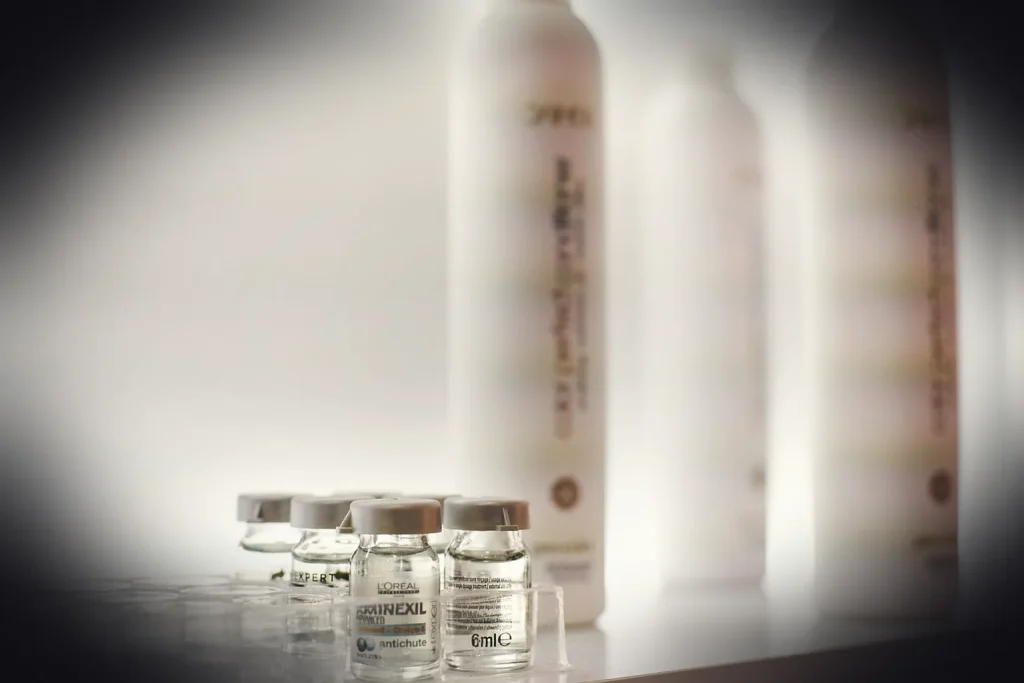
Ampoule is a short-course intensive treatment. Often packaged in small glass bottles (10 to 30 ml) with a dropper. Higher active concentration than a serum. Estee Lauder Advanced Night Repair Intensive Reset Concentrate, Goodal Houttuynia Cordata Ampoule, or any ‘sleep ampoule.’ Designed to be used in cycles, not daily indefinitely. The job is to push a specific outcome over two to four weeks.
How to choose: by what you need
If your skin needs hydration prep before a serum, pick an essence. The 7 skin method (seven thin layers of an essence pat-pressed) works because it’s hydration without occlusive load. Most Western readers don’t do seven layers, but one or two is reasonable.
If your skin needs a daily active (vitamin C, niacinamide, peptides, retinol), pick a serum. This is the workhorse layer for most routines. You can build a full routine with cleanser, serum, moisturizer, SPF and skip essence and ampoule entirely.
If your skin needs a short-course push (post-procedure recovery, stubborn pigmentation, a stressed period), add an ampoule for two to four weeks. Stop after the cycle. Don’t run ampoules indefinitely; the cost is wrong and the active load can over-stress the skin.
The layering order, in order
Thinnest to thickest. Toner, essence, ampoule (if using), serum, eye area treatment if you use one, moisturizer, SPF in the morning. The reason: water-based products evaporate or absorb faster than oil-based ones. If you reverse the order, the lighter products can’t penetrate.
Wait time between layers is 30 to 60 seconds for most people. Longer doesn’t help. Shorter sometimes leaves the product not fully absorbed when the next layer goes on.
The contrarian take: most people are running two of these as one
I see routines that include an essence, a hydrating toner, and a hyaluronic acid serum. Three watery hydration layers doing the same job. The skin doesn’t get more hydrated past a point; you just spent more money to get there.
Pick one watery layer per routine, not three. If you love essence, skip the hydrating toner and the HA serum. If you love HA serum, skip the essence. The skin can’t tell.
The real numbers on hydration layering returns
A 2019 study in Journal of Cosmetic Dermatology (Park JY et al.) measured corneometer (skin hydration) readings after one, two, three, and four sequential hydrating layers on 60 subjects. Hydration increased significantly from layer one to two; modestly from two to three; not at all from three to four. The diminishing returns curve was steep. Past two layers, you are paying for pleasure of routine, not measurable hydration.
Two layers, then stop. The third one is not earning its slot.
FAQ
Is essence necessary? No. It’s optional in any Western dermatologist’s routine. It’s traditional in K-beauty and can be a pleasant prep layer, but a routine works fine without it.
What’s the difference between essence and toner? Toners (the modern ones) and essences overlap a lot. The traditional toner was a stripping astringent; the modern hydrating ‘toner’ is essentially a thinner essence. Pick one, skip the other.
Can I use ampoules every day forever? Not recommended. The high active concentration is built for cycles. Use for two to four weeks, then drop back to serum.
Are ‘first essences’ real or marketing? SK-II’s Pitera-based ‘first essence’ is the original. The category has been copied widely. Some have real fermented ingredients; many are essentially a renamed hydrating toner.
What about boosters? Booster is a marketing word that can mean serum, essence, or ampoule depending on the brand. Look at the viscosity, ingredient list, and use instructions before assuming.
For broader context, see our toner vs essence vs mist guide, the cream vs lotion vs gel format guide, and balm vs cream cleanser.
Tag hub: More on routine layering and order
Sources
Park JY et al. Sequential hydration layering: a corneometer study. J Cosmet Dermatol 2019. Draelos ZD. Hydrating cosmeceuticals. Dermatologic Therapy 2013. AAD layering guidelines, 2024.