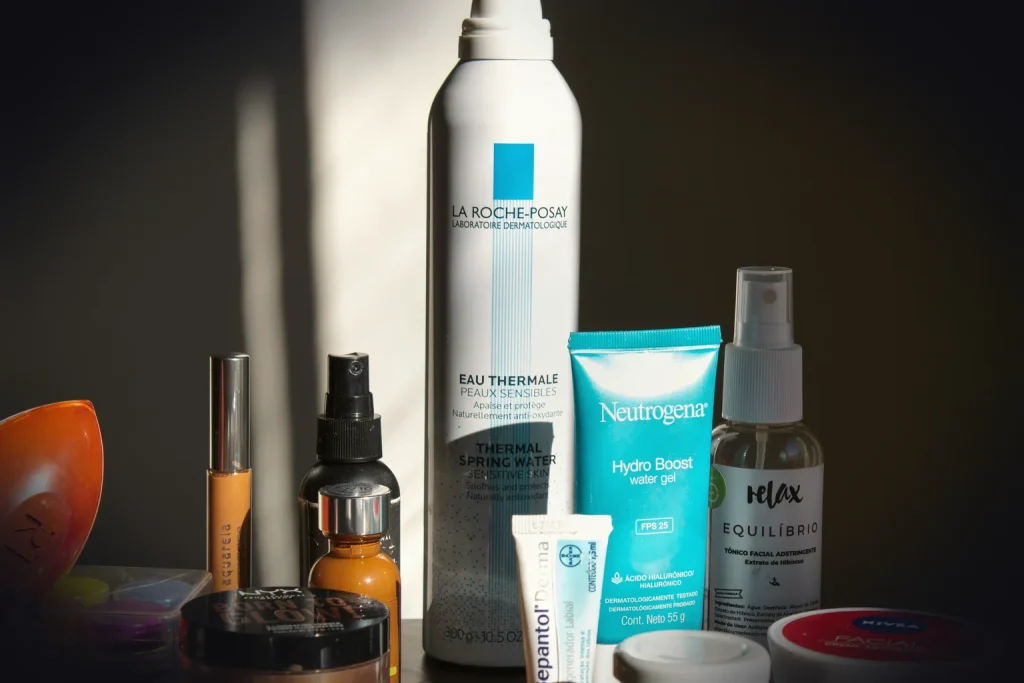
TL;DR: Acne-prone skin is not dirty skin. The most common acne mistake I see is treating it like a bacterial war, with daily benzoyl peroxide, foaming sulfate cleansers, alcohol toners, and a different acid every other night. That kills Cutibacterium acnes, but it also kills the commensals that keep it in check, and your skin retaliates with more oil and more inflammation within weeks. Microbiome care for acne-prone skin means a low-pH cleanser, one targeted active, postbiotic support, and the patience to let your flora repopulate before judging results.
I used to recommend the standard acne stack. Salicylic cleanser in the morning, benzoyl peroxide spot treatment, retinoid at night, exfoliating acid twice a week. It cleared a lot of skin, but it also wrecked a lot of skin, and the people whose breakouts kept rebounding harder were almost always the ones doing the most. Microbiome research over the last five years has changed how acne should be approached, and it lines up with what I kept noticing in practice: the more you bleach the surface, the louder the next flare.
What microbiome-aware acne care actually is
Your skin carries hundreds of bacterial, fungal, and viral species. On acne-prone skin, Cutibacterium acnes dominates the follicles. There are dozens of C. acnes strains, and only some are inflammatory. The protective strains compete for the same space as the inflammatory ones. When you wipe the field clean, the aggressive strains repopulate first.
Microbiome care for acne-prone skin means keeping C. acnes in balance instead of trying to erase it. The tools: postbiotic ferments (lysates of Lactobacillus, Bifida, Vitreoscilla), low pH cleansers that protect the acid mantle, niacinamide at 4 to 5%, azelaic acid at 10%, and a single retinoid that you actually tolerate. Notice what is missing: stacked acids, foaming sulfates, alcohol toners, and rotating brand-of-the-month exfoliants.
Why daily benzoyl peroxide backfires for many
Benzoyl peroxide works. It also oxidizes lipids on the skin surface, depletes vitamin E, and reduces bacterial diversity for weeks after you stop using it. For someone with three or four cystic lesions a month, that trade is reasonable. For someone with occasional hormonal breakouts and otherwise calm skin, daily BPO is the reason their barrier is shot and their breakouts are spreading to the jawline. The contrarian read: most people on daily benzoyl peroxide should be on weekly benzoyl peroxide, or none at all.
What helps
A pH-balanced gel or cream cleanser used once at night, water rinse in the morning. Niacinamide 4 to 5% to regulate sebum without stripping. Azelaic acid 10% three to five nights a week for both inflammation and post-inflammatory marks. A postbiotic serum layered in the morning, because that is when flora rebound matters most. The Microbiome Glow Serum sits in that postbiotic slot for many of our readers, since it pairs fermented filtrates with a calming humectant base that does not interfere with prescription retinoids at night.
The number that should change how you think about this
A 2020 review in Frontiers in Microbiology found that loss of C. acnes phylotype diversity, not the presence of C. acnes itself, correlates with active acne. In healthy skin, multiple phylotypes coexist. In acneic skin, one or two inflammatory strains dominate. That single shift in framing changes the goal of your routine from killing bacteria to restoring strain diversity, which is much harder to do with a scorched-earth approach.
When to see a dermatologist
Microbiome-aware care helps mild to moderate inflammatory acne and post-acne barrier recovery. It will not clear cystic acne. If you have painful deep lesions that last more than two weeks, recurring nodules in the same spots, or scarring, you need a dermatologist and likely a prescription. Our piece on cystic acne and when skincare stops being enough covers what that conversation should look like.
FAQ
Q: Can I use a postbiotic serum with my prescription retinoid? Yes, with separation. Postbiotic in the morning, retinoid at night, moisturizer over both. Mixing them in one layer is fine for most but introduces variables when you are troubleshooting.
Q: How long before I see results? Four to eight weeks for visible calm, twelve weeks for sebum regulation. If you are coming off daily benzoyl peroxide, expect a worse first month before it gets better.
Q: Does microbiome care mean skipping actives? No. It means choosing fewer, gentler actives, on a slower cadence. Azelaic acid and a retinoid you tolerate are still on the table.
Q: Is fermented skincare the same as postbiotic skincare? Mostly. Ferment filtrates and bacterial lysates are the most common postbiotic ingredients. Look for them named explicitly on the label.
Related reading on Elelaf
- A microbiome approach to rosacea flares
- Rebuilding your skin microbiome after antibiotics
- Microbiome care for reactive skin
- All microbiome articles
Sources
Dreno B et al. Cutibacterium acnes phylotypes and acne severity. Journal of the European Academy of Dermatology and Venereology, 2018. Sanchez-Pellicer P et al. Acne, microbiome, and probiotics: the gut-skin axis. Microorganisms (NIH PubMed), 2022. AAD.org/” rel=”noopener” target=”_blank”>American Academy of Dermatology guidelines for acne management, 2024 update.